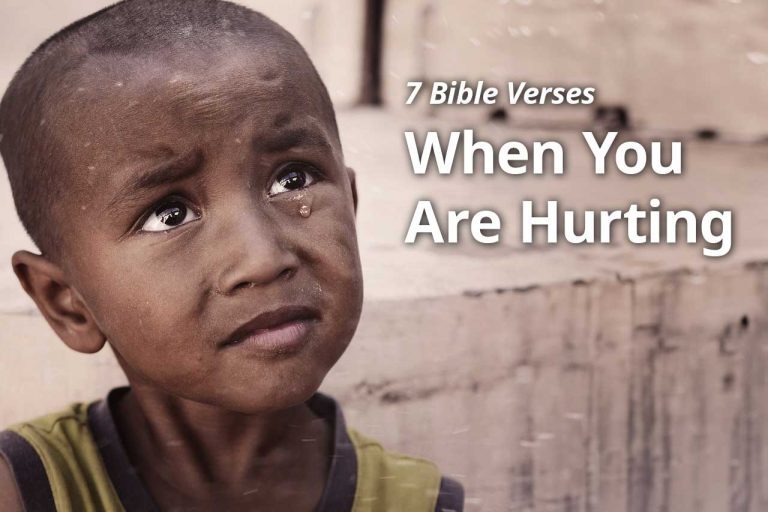


Heartbreak doesn’t always come with closure. Sometimes it’s a breakup. Sometimes it’s betrayal, ghosting, unreturned feelings, or loving someone who couldn’t love you back. For many young people, emotional pain is silent, but heavy.
The Bible doesn’t ignore heartbreak. God sees the tears, the confusion, and the questions. Scripture offers not quick fixes, but real steps toward healing, restoration, and hope.
1. Acknowledge the Pain—God Can Handle It
Verse: “The Lord is close to the brokenhearted and saves those who are crushed in spirit.”
— Psalm 34:18
Healing doesn’t start with pretending you’re okay. God doesn’t ask you to minimize your pain or rush your healing. He draws near to those who are hurting, not those who hide it.
Relatable truth: Crying doesn’t mean you’re weak, it means you’re human.
2. Give Yourself Permission to Grieve
Verse: “Blessed are those who mourn, for they will be comforted.”
— Matthew 5:4
Grief isn’t only about death, it’s about loss. Lost dreams. Lost trust. Lost connection. Jesus acknowledges grief as part of healing, not something to avoid.
Relatable truth: Healing doesn’t mean forgetting, it means processing.
3. Guard Your Heart While It Heals
Verse: “Above all else, guard your heart, for everything you do flows from it.”
— Proverbs 4:23
After heartbreak, it’s easy to reopen wounds by replaying memories, stalking profiles, or seeking closure from the same place that caused pain. Guarding your heart may mean setting boundaries, even digital ones.
Relatable truth: Sometimes healing requires distance, not answers.
4. Release What You Can’t Control
Verse: “Cast all your anxiety on him because he cares for you.”
— 1 Peter 5:7
You can’t control how someone treated you or why things ended, but you can choose where you place your pain. God invites you to hand Him what you can’t fix.
Relatable truth: Closure doesn’t always come from people, it comes from God.
5. Choose Forgiveness, Not Bitterness
Verse: “Be kind and compassionate to one another, forgiving each other, just as in Christ God forgave you.”
— Ephesians 4:32
Forgiveness doesn’t excuse the hurt, it frees your heart from being stuck in it. Holding onto bitterness keeps the wound open. Forgiveness is often a process, not a moment.
Relatable truth: Forgiveness is for your peace, not their comfort.
6. Let God Restore Your Identity
Verse: “I have loved you with an everlasting love.”
— Jeremiah 31:3
Heartbreak can make you question your worth. God reminds you that His love isn’t based on performance, attraction, or someone else’s choice. You are still chosen, valued, and loved.
Relatable truth: Someone walking away doesn’t reduce your value.
7. Trust God With What’s Next
Verse: “He heals the brokenhearted and binds up their wounds.”
— Psalm 147:3
Healing takes time, but God promises restoration. Moving on doesn’t mean erasing the past, it means allowing God to shape your future without being chained to pain.
Relatable truth: Healing doesn’t rush, but it does come.
Final Reflection for Young Hearts
Heartbreak is painful, but it doesn’t get the final word. God does.
Moving on doesn’t mean you stop caring. It means you stop letting pain control your future. With God, healing becomes possible, not overnight, but step by step.If you’re hurting right now, pray this simple prayer:
“God, help me heal what I don’t understand and release what I can’t change.”

Are you hurting right now? Know that the Word of God can speak to you in every situation of your life. Here are some reminders for you.
- Psalm 34:18 The Lord is near to the brokenhearted and saves the crushed in spirit.
Remember this, you are not hurting because God has left you, or is far away. God is near. Invite him in your life, especially when you are hurting.
- John 11:35 Jesus wept.
When Jesus saw the grief that people had when Lazarus had died, his love and compassion for us made him cry. This is our God, who feels with us, who weeps with us when we are hurting and who smiles with us when we rejoice.
- Matthew 5:4 Blessed are those who mourn, for they shall be comforted.
God doesn’t want you to hurt or mourn. There is comfort.
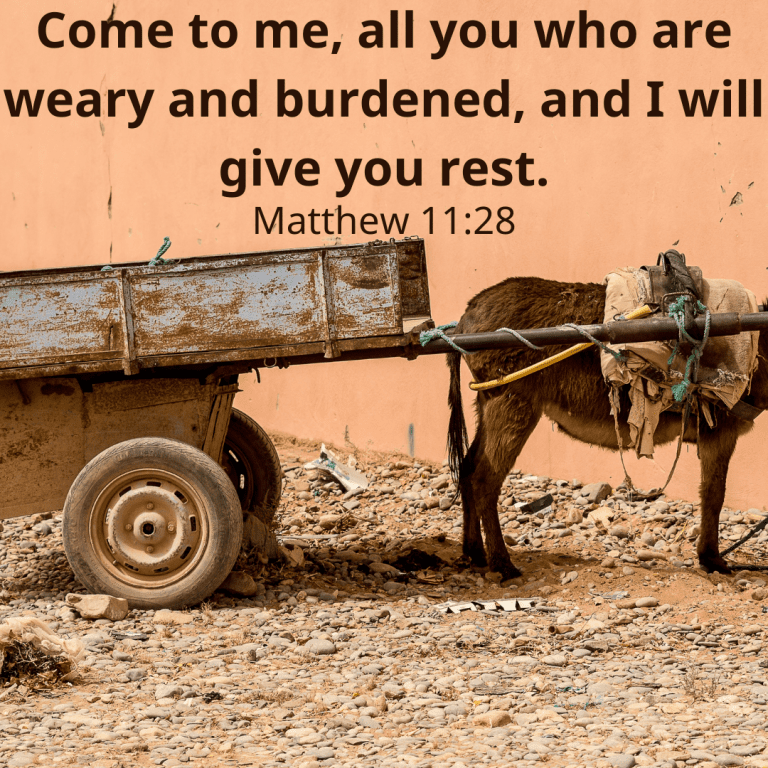
- Matthew 11:28-30 Come to me, all who labor and are heavy laden, and I will give you rest. Take my yoke upon you, and learn from me, for I am gentle and lowly in heart, and you will find rest for your souls. For my yoke is easy, and my burden is light.
Give your pain and hurt to Jesus. He doesn’t want you to carry it, but will give you peace instead.
- John 16:33 I have said these things to you, that in me you may have peace. In the world you will have tribulation. But take heart; I have overcome the world.
Jesus doesn’t promise us that everything in this world will be fine, quite the opposite, there will be hardship. That’s when you need to turn to Jesus, because he has overcome the world
- Matthew 6:14-15 For if you forgive others their trespasses, your heavenly Father will also forgive you, but if you do not forgive others their trespasses, neither will your Father forgive your trespasses.
Here is something challenging when we are hurting. To have peace, find it in your heart to forgive the person who hurt you. Forgiveness is not earned or deserved, but given anyway, just like God forgives us.
- Revelation 21:4 He will wipe away every tear from their eyes, and death shall be no more, neither shall there be mourning, nor crying, nor pain anymore, for the former things have passed away.
Ultimately, we live with the hope that one day there will be no more pain, no more crying. One day we will be with Jesus in the new Jerusalem. There is an end to pain, hurting, suffering. But there is no end to God’s love and grace.

In today’s dating world, people disappear without explanation, send mixed signals to keep you emotionally attached, or stay in undefined “almost-relationships.” These experiences can leave hearts confused, anxious, and questioning self-worth. But what does Jesus, who cared deeply about love, truth, and people’s hearts, say about this?
Let’s explore this through Scripture.
1. Jesus Values Truth, Not Mixed Signals
Verse: “Let your ‘Yes’ be yes, and your ‘No,’ no.” — Matthew 5:37 (NIV)
Breadcrumbing thrives on uncertainty, just enough attention to keep someone hoping. Jesus teaches clarity and honesty. Leading someone on emotionally while avoiding commitment goes against His call to be truthful and straightforward.
If intentions are unclear, it’s not love, it’s confusion.
2. Disappearing Without Explanation Hurts Real People
Verse: “So in everything, do to others what you would have them do to you.” — Matthew 7:12 (NIV)
Ghosting may feel easier than having a difficult conversation, but Jesus calls us to empathy. How would you want to be treated if the roles were reversed?
Love considers the emotional impact of our actions.
3. God Is Not the Author of Confusion
Verse: “For God is not a God of disorder but of peace.” — 1 Corinthians 14:33 (NIV)
Situationships often come with anxiety, insecurity, and constant overthinking. If a connection consistently brings confusion rather than peace, it may not be aligned with God’s design for relationships.
Peace is a sign of God’s presence; confusion is a warning sign.
4. Guard Your Heart in Undefined Relationships
Verse: “Above all else, guard your heart, for everything you do flows from it.” — Proverbs 4:23 (NIV)
When you invest emotionally in someone who won’t commit, your heart is at risk. Jesus never taught us to ignore our emotional well-being in the name of “love.”
Protecting your heart is wisdom, not weakness.
5. Love Is Patient and Kind—Not Manipulative
Verse: “Love is patient, love is kind… it is not self-seeking.” — 1 Corinthians 13:4–5 (NIV)
Breadcrumbing is often self-centered—keeping someone around for attention, validation, or convenience. Biblical love seeks the good of the other person, not personal gain.
If it benefits one person at the expense of another, it isn’t love.
6. Your Worth Is Not Defined by Someone’s Inconsistency
Verse: “I have loved you with an everlasting love.” — Jeremiah 31:3 (NIV)
Being ghosted can make someone feel disposable. Jesus reminds us that God’s love doesn’t disappear, go silent, or show up only when convenient.
God’s love is consistent—even when people are not.
7. Jesus Calls Us to Love with Integrity
Verse: “The Lord detests lying lips, but he delights in people who are trustworthy.” — Proverbs 12:22 (NIV)
Situationships often avoid labels to escape responsibility. Jesus calls His followers to integrity—being honest about intentions, emotions, and expectations.
Trust is built on honesty, not ambiguity.
So… What Would Jesus Say?
Jesus would likely challenge us to:
- Be clear, kind, and honest
- Stop playing with emotions
- Choose peace over confusion
- Value people more than convenience
- Remember that love never leaves people feeling disposable
Final Reflection for Youth
If a relationship needs constant decoding, it may not be God-centered. Real love reflects God’s character, truthful, consistent, and respectful.Before staying in a situationship, ask:
“Is this bringing me peace, or slowly draining my heart?”

We live in a generation where relationships often begin with a notification. A reply, a reaction, or a late-night DM can spark emotional connections faster than ever before. While technology has made communication easier, it has also blurred boundaries, created confusion, and sometimes replaced real commitment with convenience.
The Bible may not mention social media or messaging apps, but it speaks clearly about love, honesty, intention, and the condition of the heart, all of which are deeply relevant to online relationships today.
1. God Cares About Your Heart, Even Behind a Screen
Verse: “Above all else, guard your heart, for everything you do flows from it.”
— Proverbs 4:23 (NIV)
Online conversations can feel safe because there’s physical distance, but emotional closeness can develop quickly. Late-night chats, deep conversations, and constant messaging can slowly open your heart before trust, commitment, or clarity are established.
God’s instruction to guard your heart isn’t about being cold, it’s about being wise. When your heart is unprotected, your peace, focus, and identity can be affected.
Reflection: Just because someone has access to your DMs doesn’t mean they deserve access to your heart.
2. Honesty Matters More Than Filters and Vibes
Verse: “The Lord detests lying lips, but he delights in people who are trustworthy.”
— Proverbs 12:22 (NIV)
Online spaces make it easy to exaggerate, hide intentions, or present a “perfect” version of yourself. But love built on half-truths, vague intentions, or emotional pretending eventually collapses.
Biblical love values authenticity. God is pleased when relationships are grounded in truth, even when honesty feels uncomfortable.
Reflection: If a relationship depends on pretending, it isn’t sustainable, or God-honouring.
3. Love Communicates Clearly, Not Confusingly
Verse: “Let your ‘Yes’ be yes, and your ‘No,’ no.”
— Matthew 5:37 (NIV)
One of the biggest struggles in online relationships is unclear communication, mixed signals, inconsistent replies, and undefined intentions. Jesus teaches clarity because confusion creates emotional strain.
Clarity is not rude. It’s respectful. Being honest about intentions saves hearts from unnecessary hurt.
Reflection: If someone keeps you guessing, ask whether confusion is being used as control.
4. Words Carry Weight—Even When Typed
Verse: “Do not let any unwholesome talk come out of your mouths, but only what is helpful for building others up.”
— Ephesians 4:29 (NIV)
Texting removes tone, facial expression, and context, which can easily lead to misunderstanding. It also lowers accountability, people say things online they wouldn’t say face-to-face.
God calls us to use words that uplift, protect dignity, and bring life. This applies to jokes, flirting, arguments, and emotional conversations online.
Reflection: If your message wouldn’t bring healing or encouragement, it may not be worth sending.
5. Love Is Not Self-Seeking or Emotionally Manipulative
Verse: “Love… is not self-seeking.”
— 1 Corinthians 13:5 (NIV)
Breadcrumbing, emotional check-ins with no commitment, and keeping someone around for attention are common in digital relationships. These behaviours meet personal needs but ignore the emotional cost to others.
Biblical love considers how actions affect another person’s heart. If connection exists only when it’s convenient, it’s not love, it’s self-interest.
➡ Reflection: Love asks, “Is this good for them?” not just “Does this feel good to me?”
6. Your Worth Is Not Measured by Replies or Reactions
Verse: “I have loved you with an everlasting love.”
— Jeremiah 31:3 (NIV)
Being left on read, ignored, or suddenly ghosted can make someone question their value. Online silence can feel personal, even when it isn’t.
God’s love, however, is consistent and unwavering. It doesn’t fluctuate with moods, availability, or interest. Your worth remains secure in Him.
Reflection: Someone’s inconsistency does not cancel God’s constant love for you.
7. God’s Love Brings Peace, Not Constant Anxiety
Verse: “For God is not a God of disorder but of peace.”
— 1 Corinthians 14:33 (NIV)
If an online relationship constantly causes overthinking, insecurity, or emotional stress, it’s worth pausing. God’s design for love includes peace, stability, and clarity.
While no relationship is perfect, persistent anxiety is a signal that something may be misaligned with God’s heart for you.
Reflection: Peace is often God’s way of confirming you’re on the right path.
Final Reflection for Today’s Generation
Online relationships are real, and emotions formed through screens matter. But the Bible reminds us that love should be intentional, honest, respectful, and life-giving, whether offline or online.
Before investing deeper, ask yourself:
“Is this relationship helping me grow or slowly draining my peace?”
God’s love sets the standard, clear, consistent, and rooted in truth.

When we think of world-changing figures, we often imagine adults with power, wealth, or fame. But sometimes, all it takes is a teenager with faith, determination, and courage. Mary Jones, a 15-year-old girl from Wales in the late 1700s, is a perfect example.
Mary was not rich. She had no influence. Yet her heart burned with a desire that would leave a lasting mark on history: she wanted her own Bible in her own language. Bibles were rare, expensive, and hard to come by in her village. But Mary’s story teaches us that age is no barrier when God is in the equation.
“Let no one despise your youth, but set the believers an example in speech, in conduct, in love, in faith, in purity.” – 1 Timothy 4:12
From the age of 10, Mary began saving every penny she could earn. For six long years, she collected coins, carefully storing them until she finally had enough. Her hunger for God’s Word was relentless, a hunger that Scripture promises will be satisfied:
“Blessed are those who hunger and thirst for righteousness, for they shall be satisfied.” – Matthew 5:6
At 15, she set off on a journey that would test her faith and determination. The nearest place to buy a Bible was 25 miles away in Bala. With no shoes and only the money she had saved, Mary walked over rivers, hills, and rocky paths because she believed God’s Word was worth the effort.
“I can do all things through him who strengthens me.” – Philippians 4:13
When she finally arrived, she was met with disappointment: all the Bibles were already promised to others. Many would have turned back. But not Mary. She persisted, trusting that God’s plan was greater than her moment of despair:
“But those who wait for the Lord shall renew their strength; they shall mount up with wings like eagles; they shall run and not be weary; they shall walk and not faint.” – Isaiah 40:31
Seeing her determination and tears, Reverend Thomas Charles gave Mary one of the remaining Bibles. That moment marked the fulfillment of her dream and the beginning of something much bigger.
“Commit your work to the Lord, and your plans will be established.” – Proverbs 16:3
Mary’s story didn’t stop with a single Bible in her hands. Her passion inspired the founding of the British and Foreign Bible Society, which went on to distribute Bibles worldwide. One teenager’s faith had sparked a global movement.
“For nothing will be impossible with God.” – Luke 1:37
Mary Jones reminds us that age is no limit to impact. Her courage, determination, and love for God’s Word continue to challenge young people today. Each of us has a “25-mile walk” to make for God, whether it’s sharing His Word, helping someone in need, or living out faith courageously.
“Do not be slothful in zeal, be fervent in spirit, serve the Lord.” – Romans 12:11
The question is: what will you do with your passion, your faith, and your courage?

A Fresh Look for a Generation Seeking Real Faith
You’ve probably seen the list on a church wall, a t-shirt, or a Pinterest post:
Love. Joy. Peace. Patience. Kindness. Goodness. Faithfulness. Gentleness. Self-Control.
That’s the fruit of the Spirit (Galatians 5:22–23).
But here’s the thing: these aren’t just “nice Christian traits” you try to copy. They’re evidence that something supernatural is growing inside you, something the Holy Spirit is actively forming. Let’s break them down one by one in a way that speaks to real life.
1. LOVE
“Dear children, let us not love with words or speech but with actions and in truth.” – 1 John 3:18
We live in a world where love is often performative. It’s in captions and emojis, but not always in action. The Holy Spirit teaches us to love people even when they’re difficult, unlovable, or don’t benefit us.
Real love:
- Listens before speaking
- Forgives even when it hurts
- Stays when it’s easier to walk away
2. JOY
“Though you have not seen him, you love him… you are filled with an inexpressible and glorious joy.” – 1 Peter 1:8
Joy is different from happiness. It’s not tied to a vibe, a relationship, or a goal. Joy is deep and steady.
You can be battling anxiety and still carry joy. You can be broke and still feel joy. Why? Because joy is rooted in who God is, not what life looks like.
3. PEACE
“You will keep in perfect peace those whose minds are steadfast, because they trust in you.” – Isaiah 26:3
Peace isn’t passive. It’s fierce trust in the middle of chaos.
For young people constantly hit with bad news, mental pressure, and overthinking, peace feels rare. But the Holy Spirit anchors us when the world spins. Peace shows up in how we handle pressure, stay grounded in prayer, and choose surrender over control.
4. PATIENCE
“Be completely humble and gentle; be patient, bearing with one another in love.” – Ephesians 4:2
We’re an instant generation, streaming, deliveries, dating apps. We’re wired for now.
But spiritual maturity grows in the slow seasons. Patience is learning to:
- Wait without whining
- Love people who don’t “get it” yet
- Trust God’s timeline, not your own
It’s not natural, but it’s powerful and deeply needed in a culture obsessed with speed.
5. KINDNESS
“God’s kindness is intended to lead you to repentance.” – Romans 2:4
Kindness isn’t just random acts. It’s intentional compassion.
It’s DM-ing someone just to check in.
It’s being gentle when you have every reason to be cold.
It’s choosing not to clap back even when you could go viral.
Kindness is powerful because it reflects the kindness God showed us.
6. GOODNESS
“Do not be overcome by evil, but overcome evil with good.” – Romans 12:21
Goodness is about integrity when no one’s watching.
It’s not about being a “good person”, it’s about choosing what’s right, even when it costs you.
It’s:
- Being honest when you could cut corners
- Calling out injustice, even if it’s unpopular
- Living with purity in a world that celebrates compromise
7. FAITHFULNESS
“His master replied, ‘Well done, good and faithful servant!’” – Matthew 25:21
This one’s about showing up in relationships, in responsibilities, and in your walk with God.
Faithfulness says:
- “I’ll keep praying, even when I feel nothing.”
- “I’ll show up for my friends when it’s not convenient.”
- “I’ll follow through on what I said.”
In a culture that glorifies jumping ship, faithfulness is countercultural—and deeply beautiful.
8. GENTLENESS
“Let your gentleness be evident to all.” – Philippians 4:5
Gentleness isn’t weakness. It’s controlled strength.
In a world where loud = power, the Spirit teaches us a quieter strength.
Gentleness shows up when:
- You disagree without disrespecting
- You lead without dominating
- You correct without crushing
Jesus was gentle with the broken and we’re called to be like Him.
9. SELF-CONTROL
“Like a city whose walls are broken through is a person who lacks self-control.” – Proverbs 25:28
Without self-control, everything else crumbles.
It’s the Spirit saying:
- “Don’t send that text.”
- “Pause before you scroll.”
- “Say no when you know it’s not worth it.”
This fruit guards your peace, protects your witness, and empowers you to make decisions that align with your purpose not your impulse.
Final Thoughts: Fruit Takes Time
You don’t become a walking, talking Fruit Basket overnight.
But if you stay rooted in Jesus, the Holy Spirit will grow this fruit in you gradually, powerfully, and authentically.
You might not see it every day. But others will.
And in a world craving something real, the Spirit’s fruit is the loudest quiet message you’ll ever carry.
Ask Yourself:
- Which fruit comes easiest for me?
- Which one is God stretching in me right now?
- How can I lean into the Spirit more today?
Next Step:
If you’re serious about growth, start a “Fruit Check” journal every week, reflect on one fruit and ask:
“How did I live this out or not this week?”
Spiritual growth isn’t about perfection. It’s about progress. And you don’t walk it alone, the Spirit walks with you.

Easter is a time of deep reflection and celebration. It reminds us of Jesus’ sacrifice and the incredible gift of salvation we have through His death and resurrection. The cross is more than a symbol—it is the turning point of history, where love overcame sin and life triumphed over death. Let’s explore seven key Bible verses that reveal the power and meaning of the cross.
1. The Cross Shows God’s Love
“But God has shown us how much he loves us—it was while we were still sinners that Christ died for us!” – Romans 5:8 (GNT)
The cross is the greatest proof of God’s love. Jesus didn’t wait for us to be perfect; He gave His life while we were still lost in sin. His love is unconditional, reaching out to everyone, no matter their past.
2. The Cross Brings Forgiveness
“He canceled the unfavorable record of our debts with its binding rules and did away with it completely by nailing it to the cross.” – Colossians 2:14 (GNT)
Because of Jesus, our sins are wiped clean. The cross is where our burdens are lifted, where guilt is removed, and where we receive complete forgiveness. No sin is too great for God’s mercy!
3. The Cross Brings Peace
“And God was pleased for him to make peace by sacrificing his blood on the cross, so that all beings in heaven and on earth would be brought back to God.” – Colossians 1:20 (GNT)
Sin separated us from God, but the cross restored our relationship with Him. Through Jesus’ sacrifice, we are no longer enemies of God but His beloved children.
4. The Cross Gives Us New Life
“Anyone who is joined to Christ is a new being; the old is gone, the new has come.” – 2 Corinthians 5:17 (GNT)
The cross is not the end—it is the beginning of new life. Jesus’ death and resurrection open the door for us to be transformed, leaving behind our past and stepping into a new identity in Christ.
5. The Cross Gives Us Victory
“And on the cross Christ freed himself from the power of the spiritual rulers and authorities; he made a public spectacle of them by leading them as captives in his victory procession.” – Colossians 2:15 (GNT)
What seemed like a defeat was actually a victory! On the cross, Jesus overcame sin, death, and the powers of darkness. Because of Him, we can walk in freedom, knowing that no force of evil can separate us from God.
6. The Cross is a Call to Follow
“Then Jesus said to his disciples, ‘If any of you want to come with me, you must forget yourself, carry your cross, and follow me.'” – Matthew 16:24 (GNT)
Jesus invites us to take up our cross—not to suffer as He did, but to surrender fully to God’s will. True discipleship means letting go of selfish desires and living a life that honors Him.
7. The Cross Gives Us Eternal Life
“For God loved the world so much that he gave his only Son, so that everyone who believes in him may not die but have eternal life.” – John 3:16 (GNT)
The cross is the bridge to eternal life. Jesus’ sacrifice was not just for this world, but for eternity. Through Him, we have the promise of life that never ends—a life in the presence of God forever.
Conclusion: Embracing the Power of the Cross
As we celebrate Easter, let’s not just remember the cross—let’s live in the power of what Jesus accomplished. The cross brings love, forgiveness, peace, new life, victory, and the hope of eternity.
This Easter, may we draw closer to Christ, embracing the fullness of His sacrifice and the joy of His resurrection. He is risen! Hallelujah!

Healing, whether physical, emotional, or spiritual, is something everyone seeks at some point in life. In times of suffering, pain, or brokenness, the Bible offers comfort, hope, and promises of restoration. God is described as the Great Healer who mends our wounds and brings wholeness to every aspect of our lives. Scripture reminds us of God’s ability to restore not just the body, but also the heart, soul, and mind.
Here are seven Bible verses that speak to God’s healing power and offer encouragement for those in need of restoration.
1. Jeremiah 30:17
“But I will restore you to health and heal your wounds, declares the Lord.”
God’s promise in this verse is one of restoration. No matter how deep the wound or how severe the brokenness, God assures His people that He will bring healing. This verse serves as a reminder that nothing is too far gone for God to repair. His desire is to bring health and wholeness to His children, both physically and spiritually.
2. Psalm 147:3
“He heals the brokenhearted and binds up their wounds.”
While physical healing is important, God also tends to the brokenness in our hearts. When we feel crushed by life’s circumstances or overwhelmed by grief, He is near, offering comfort and healing. He binds up the wounds that no one else can see, restoring our inner peace.
3. James 5:14-15
“Is anyone among you sick? Let them call the elders of the church to pray over them and anoint them with oil in the name of the Lord. And the prayer offered in faith will make the sick person well; the Lord will raise them up.”
God invites His people to seek healing through prayer and the support of the community of believers. The act of calling on others to pray in faith demonstrates a trust in God’s ability to heal. This scripture reassures us that God hears and responds to prayers offered in faith.
4. Isaiah 53:5
“But he was pierced for our transgressions, he was crushed for our iniquities; the punishment that brought us peace was on him, and by his wounds we are healed.”
Through Christ’s suffering and death, spiritual healing is made possible for all. His wounds bring us salvation, and in that salvation, we find the ultimate healing for our souls. This verse serves as a reminder of the eternal healing that comes through Christ’s sacrifice.
5. Exodus 15:26
“He said, ‘If you listen carefully to the Lord your God and do what is right in his eyes, if you pay attention to his commands and keep all his decrees, I will not bring on you any of the diseases I brought on the Egyptians, for I am the Lord, who heals you.'”
God reveals Himself as “Jehovah Rapha,” meaning “the Lord who heals.” This verse underscores God’s power and desire to bring healing to His people. It is a reminder that God not only heals, but He also protects and preserves His people when they walk in obedience to His word.
6. Matthew 11:28-30
“Come to me, all you who are weary and burdened, and I will give you rest. Take my yoke upon you and learn from me, for I am gentle and humble in heart, and you will find rest for your souls. For my yoke is easy and my burden is light.”
True healing is found in coming to Him. When life’s burdens become overwhelming, Jesus offers rest and restoration for the soul. His gentleness and compassion bring peace and relief to those who are weary, making Him the source of ultimate healing for our emotional and spiritual struggles.
7. 1 Peter 2:24
“He himself bore our sins in his body on the cross, so that we might die to sins and live for righteousness; by his wounds you have been healed.”
Through Jesus’s death and resurrection, we are offered new life, free from the bondage of sin. The healing referred to here is both spiritual and physical, pointing to the completeness of the restoration that Jesus offers.
Conclusion
Healing is a multifaceted process that touches every aspect of our being—our bodies, minds, hearts, and spirits. These verses remind us of God’s deep care and His promise to heal us in every way. Whether we are seeking relief from physical illness, emotional pain, or spiritual brokenness, the Bible assures us that God is the Great Healer, and His power is available to those who seek Him.

Prayer is a vital aspect of the Christian faith, serving as a direct line of communication with God. The Bible offers numerous verses that can guide and inspire us in our prayer life. Here are seven Bible verses that can help you to pray:
1. Matthew 6:9-13
“This, then, is how you should pray: ‘Our Father in heaven, hallowed be your name, your kingdom come, your will be done, on earth as it is in heaven. Give us today our daily bread. And forgive us our debts, as we also have forgiven our debtors. And lead us not into temptation, but deliver us from the evil one.’”
The Lord’s Prayer, provides a perfect model for prayer. It includes elements of praise, submission to God’s will, requests for daily needs, forgiveness, and guidance. Using this structure can help us cover all aspects of our spiritual life in prayer.
2. Philippians 4:6
“Do not be anxious about anything, but in every situation, by prayer and petition, with thanksgiving, present your requests to God.”
You are encouraged to turn your worries into prayers. This verse emphasizes importance of approaching God with your needs and anxieties, coupled with a heart of gratitude. This verse reminds you that prayer is a means to relieve anxiety and to trust in God’s provision.
3. 1 Thessalonians 5:16
“Rejoice always, pray continually, give thanks in all circumstances; for this is God’s will for you in Christ Jesus.”
Praying continually doesn’t mean being on our knees all day but maintaining a constant awareness of God’s presence and turning to Him throughout our day. It encourages an attitude of gratitude and joy in all circumstances.
4. James 5:16
“Therefore confess your sins to each other and pray for each other so that you may be healed. The prayer of a righteous person is powerful and effective.”
James 5:16 emphasizes the power of communal prayer and confession. It encourages us to support each other through prayer and to recognize the importance of a righteous person’s prayer. You are encouraged to seek out prayer partners and to be diligent in your intercessions for others.
5. Romans 8:26
“In the same way, the Spirit helps us in our weakness. We do not know what we ought to pray for, but the Spirit himself intercedes for us through wordless groans.”
You can find comfort in knowing that the Holy Spirit assists you in your prayers, especially when you are uncertain about what to pray for. The Spirit’s intercession ensures that your prayers align with God’s will, providing a deeper connection in your communication with God.
6. Matthew 7:7-8
“Ask and it will be given to you; seek and you will find; knock and the door will be opened to you. For everyone who asks receives; the one who seeks finds; and to the one who knocks, the door will be opened.”
Jesus assures you that your earnest seeking and asking will not go unanswered. This promise can bolster your confidence in approaching God with your needs and desires, knowing that He listens and responds.
7. 1 John 5:14-15
“This is the confidence we have in approaching God: that if we ask anything according to his will, he hears us. And if we know that he hears us—whatever we ask—we know that we have what we asked of him.”
God is attentive to your prayers. It highlights the importance of aligning your requests with His will, giving you confidence that your prayers are heard and will be answered in accordance with His divine plan.
Conclusion
Prayer is a powerful and essential practice in the Christian life. These seven Bible verses offer guidance, encouragement, and assurance in our prayer journey. By meditating on and incorporating these scriptures into your prayer life, you can deepen your relationship with God, approach Him with confidence, and experience the transformative power of prayer.

Marriage is the foundation for the Christian family. Husband and wife and by God’s grace blessed with children. Whether you hope to marry one day or are already married it’s good to go to the Bible and learn about marriage.
- Genesis 2:24 Therefore a man shall leave his father and his mother and hold fast to his wife, and they shall become one flesh.
Marriage is mentioned already in creation. Whether you are already married or not, here are Bible verses to guide you to what the Bible says about marriage.
- 1 Corinthians 7:2 But because of the temptation to sexual immorality, each man should have his own wife and each woman her own husband.
There are many kinds of temptations in the world. To be married is to give our love and loyalty to our husband or wife.
- Ephesians 5:25 Husbands, love your wives, as Christ loved the church and gave himself up for her
In a Christian marriage the husband is to love his wife as Christ loved us. This is to love even when it’s not deserved, unconditionally.
- Colossians 3:18-19 Wives, submit to your husbands, as is fitting in the Lord. Husbands, love your wives, and do not be harsh with them.
Love between husband and wife includes for the husband to be gentle and giving himself up for his wife, and for the wife to submit to and respect her husband.
- Exodus 20:14 You shall not commit adultery.
Loyalty and trust are fundamental in all relationships. In marriage that means to forsake all others and not have any other intimate relationships.
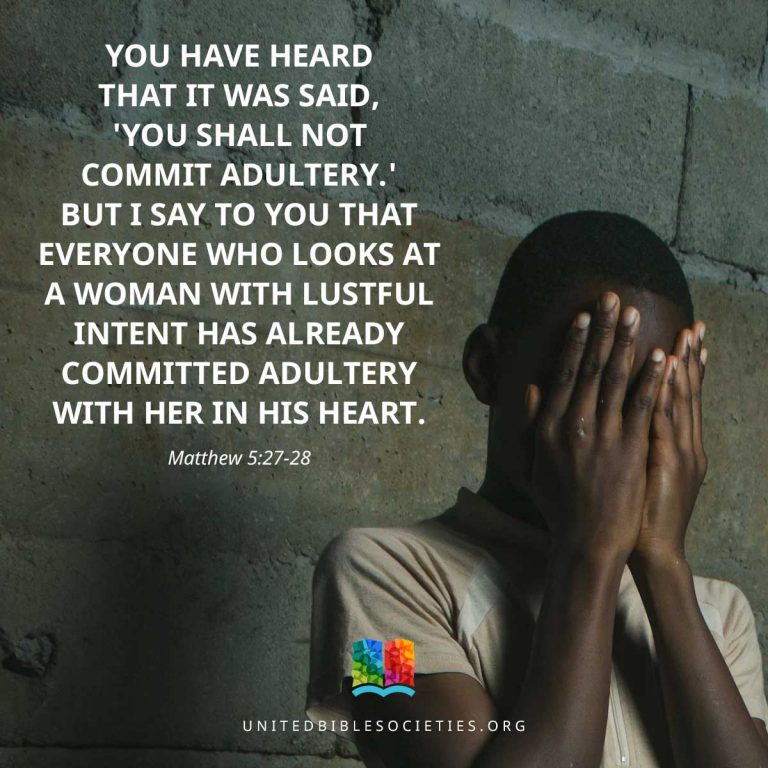
- Matthew 5:27-28 You have heard that it was said, ‘You shall not commit adultery.’ But I say to you that everyone who looks at a woman with lustful intent has already committed adultery with her in his heart.
Jesus taught us that it’s not only the act of adultery that is breaking the commandment, but even lustful thoughts.
- Ephesians 4:32 Be kind to one another, tenderhearted, forgiving one another, as God in Christ forgave you.
Although this verse speaks of the love between all Christians, it also applies to husband and wife. Forgive each other and be kind.

Here are a couple of reminders for you about loving one another. Be inspired to go out and spread love to those around you.
- 1 Corinthians 16:14 Let all that you do be done in love.
Love is at the very core of our faith. We shouldn’t love only at certain times. Everything we do should be done in love.
- John 13:34 A new commandment I give to you, that you love one another: just as I have loved you, you also are to love one another.
Jesus sets the example for us. He loves us, despite our flaws and shortcomings. We are also called to love one another.
- Romans 12:10 Love one another with brotherly affection. Outdo one another in showing honor.
Christians are brothers and sisters as adopted children of God. Therefore, we are to love one another like we love our family.
- Hebrews 10:24 And let us consider how to stir up one another to love and good works
You can set an example to people around you, by showing love. Inspire others to love and do good.
- Matthew 5:43-44 “You have heard that it was said, ‘You shall love your neighbor and hate your enemy.’ But I say to you, Love your enemies and pray for those who persecute you
Jesus tells us that we should not limit our love to those who love us, but even those who persecute us. To love and pray for our enemy or persecutor is a challenge in loving one another.
- Luke 6:31 And as you wish that others would do to you, do so to them.
Don’t wait for others to do good and show love. Express your love by doing good first.
- Matthew 22:39 And a second is like it: You shall love your neighbor as yourself.
The greatest commandment is to love God with all your heart and with all your soul and with all your mind. Jesus says that all the law and the prophets depend on these two.

In times of sadness, it’s important to turn to God and find comfort in His Word. Here are some attitudes to adopt:
- Pray: ask God to help us through this trial and to give us the strength and comfort we need. “Have no anxiety about anything, but in everything by prayer and supplication with thanksgiving let your requests be made known to God.” – Philippians 4:6
- Read the Bible: look for verses that bring us comfort and hope, and meditate on their meaning. “Let the word of Christ dwell in you richly, teach and admonish one another in all wisdom, and sing psalms and hymns and spiritual songs with thankfulness in your hearts to God.” – Colossians 3:16
- Turn other Christians: share our sadness with our brothers and sisters in Christ and receive their support and prayers. “For where two or three are gathered in my name, there am I in the midst of them.” – Matthew 18:20
- Remember that God is always present and will never abandon us. He is able to turn our sadness into joy and help us through every trial. “teaching them to observe all that I have commanded you; and lo, I am with you always, to the close of the age.” – Matthew 28:20
- Show gratitude: despite sadness, remember God’s many blessings in our lives and give thanks. “give thanks in all circumstances; for this is the will of God in Christ Jesus for you.” – 1 Thessalonians 5:18
By adopting these attitudes, we can find comfort and hope in times of sorrow, knowing that God is with us and will sustain us in all circumstances.

The Hebrew word translated as “peace” is “shalom”. It means more than the opposite of conflict. It’s about being complete and safe. This is why we ultimately only can find peace in God. Without God we are not complete and not at peace.
- Psalm 34:14 Turn away from evil and do good; seek peace and pursue it.
You have a choice in your life. When you are in a conflict, do you seek peace? Take the first step and reach out to anyone you are not at peace with and seek peace.
- Matthew 5:9 Blessed are the peacemakers, for they shall be called sons of God.
There is blessing and happiness in being a peacemaker. As children of God we are called to seek peace.
- Romans 12:18 If possible, so far as it depends on you, live peaceably with all.
We know there are conflicts and troublemakers in the world. But the Bible tells us to do what we can to live in peace with everyone.
- Isaiah 55:12 For you shall go out in joy and be led forth in peace; the mountains and the hills before you shall break forth into singing, and all the trees of the field shall clap their hands.
When you walk with God in peace, everything is different. There may be conflict around you, but worldly conflict and troubles can’t overcome the peace of God.
- Romans 14:19 So then let us pursue what makes for peace and for mutual upbuilding.
Actively work for peace, not just for your own sake, but also to build up others around you.
- 2 Thessalonians 3:16 Now may the Lord of peace himself give you peace at all times in every way. The Lord be with you all.
The Bible wishes for you, and for all to have peace. May God be with you, so that your life will be at peace and complete.
- Numbers 6:24-26 The LORD bless you and keep you; the LORD make his face to shine upon you and be gracious to you; the LORD lift up his countenance upon you and give you peace.
The priestly blessing tells us that in God’s presence there is peace. Seek God and you shall find him. God bless you.

When Love Hurts: What the Bible Says About Healing and Moving On
Heartbreak doesn’t always come with closure. Sometimes it’s a breakup. Sometimes it’s betrayal, ghosting, unreturned feelings, or loving someone who couldn’t love you back. For many young people, emotional pain is silent, but heavy.

7 Bible Verses When You Are Hurting
Ultimately, we live with the hope that one day there will be no more pain, no more crying. One day we will be with Jesus in the new Jerusalem. There is an end to pain, hurting, suffering. But there is no end to God’s love and grace.

Heartbreak doesn’t always come with closure. Sometimes it’s a breakup. Sometimes it’s betrayal, ghosting, unreturned feelings, or loving someone who couldn’t love you back. For many young people, emotional pain is silent, but heavy.

Ultimately, we live with the hope that one day there will be no more pain, no more crying. One day we will be with Jesus in the new Jerusalem. There is an end to pain, hurting, suffering. But there is no end to God’s love and grace.

How a 15-Year-Old’s 25-Mile Walk for a Bible Sparked a Global Movement
At just 15, Mary Jones walked 25 miles barefoot across the hills of Wales—driven by an unshakable desire to own a Bible in her own language. Her courageous journey not only fulfilled her dream but ignited a global movement to share God’s Word.

At just 15, Mary Jones walked 25 miles barefoot across the hills of Wales—driven by an unshakable desire to own a Bible in her own language. Her courageous journey not only fulfilled her dream but ignited a global movement to share God’s Word.

7 Bible Verses About Peace
When you walk with God in peace, everything is different. There may be conflict around you, but worldly conflict and troubles can’t overcome the peace of God.

When you walk with God in peace, everything is different. There may be conflict around you, but worldly conflict and troubles can’t overcome the peace of God.

Ghosting, Breadcrumbing & Situationships: What Does the Bible Say About Modern Relationships?
Modern dating terms like ghosting and situationships often bring confusion and hurt. Explore how biblical principles of integrity, honesty, and love apply to these struggles and find healing in God's truth.

Love in the Age of DMs: What the Bible Says About Online Relationships
We live in a generation where relationships often begin with a notification. A reply, a reaction, or a late-night DM can spark emotional connections faster than ever before.

Modern dating terms like ghosting and situationships often bring confusion and hurt. Explore how biblical principles of integrity, honesty, and love apply to these struggles and find healing in God's truth.

We live in a generation where relationships often begin with a notification. A reply, a reaction, or a late-night DM can spark emotional connections faster than ever before.