
Feeling “behind” in life is a feeling, not a fact, manufactured almost entirely by comparison. The Bible reframes the whole question: you are not late, you are not defective, and you cannot fall behind a plan you did not write. These seven truths replace comparison anxiety with God’s timing, your God-given worth, and the freedom to run your own race.
Everyone seems to be ahead of you. The promotions, the weddings, the houses, the highlight reels. Scroll long enough and you start to believe the lie that you missed your moment. You didn’t. Here are seven truths that pull the plug on that feeling for good.
1. Your Pace Is Not Your Problem
Everyone seems to be ahead of you. Married, promoted, settled, thriving. The feed never stops reminding you. But “behind” is a feeling, not a fact, and comparison is where it is born.
Galatians 6:4-5 (NIV)
“Each one should test their own actions. Then they can take pride in themselves alone, without comparing themselves to someone else, for each one should carry their own load.”
Close the app. Measure today against your own yesterday, not against a stranger’s curated best. Your load is yours to carry, and yours alone to be proud of.
2. Your Timing Isn’t Broken
You are not late. You are not early. You are exactly where a season placed you. The pressure to catch up assumes there is one universal schedule. There isn’t.
Ecclesiastes 3:1 (NIV)
“There is a time for everything, and a season for every activity under the heavens.”
Winter is not a failed summer. If this is your waiting season, wait well. The harvest has its own calendar, and rushing it only ruins the crop.
3. The Highlight Reel Is Lying to You
Envy whispers that everyone else has it figured out. They don’t. You are comparing your raw footage to their final cut, and it is quietly eating you alive.
Proverbs 14:30 (NIV)
“A heart at peace gives life to the body, but envy rots the bones.”
Notice the cost. Envy does not only steal your joy; it corrodes your health. Trade the scroll for gratitude and watch your shoulders drop.
4. You Were Made on Purpose
Feeling behind assumes you are a defective version of someone better. You are not a rough draft. You were authored with intention, detail, and delight.
Psalm 139:14 (NIV)
“I praise you because I am fearfully and wonderfully made; your works are wonderful, I know that full well.”
Your worth was never tied to your milestones. Before the achievements, before the applause, you were already wonderfully made. Start there.
5. Your Future Is Already Mapped
The fear underneath “behind” is simple. What if I miss it? What if the good life passes me by? Scripture answers with a promise, not a panic.
Jeremiah 29:11 (NIV)
“‘For I know the plans I have for you,’ declares the Lord, ‘plans to prosper you and not to harm you, plans to give you hope and a future.’”
You cannot fall behind a plan you did not write. The same God who set the seasons is holding your future. Walk forward with open hands.
6. Contentment Is a Skill, Not a Mood
Contentment is not something you stumble into when life finally cooperates. Paul learned it in a prison cell. It is a muscle, trained in the gap between what you have and what you want.
Philippians 4:11 (NIV)
“I am not saying this because I am in need, for I have learned to be content whatever the circumstances.”
Practice it small today. Thank God for what is unfinished, for what is still in motion, for what has not arrived yet. Contentment grows where comparison used to live.
7. Run Your Own Race
Stop watching the lanes beside you. Runners who look sideways lose speed and lose heart. Your finish line is your own, and it is still ahead of you.
Hebrews 12:1 (NIV)
“Therefore, since we are surrounded by such a great cloud of witnesses, let us throw off everything that hinders and the sin that so easily entangles. And let us run with perseverance the race marked out for us.”
Drop the weight of comparison. Fix your eyes forward. Perseverance, not pace, is what carries you home.
You Were Never Behind. You Were Comparing.
You were never behind. You were comparing your story to a stranger’s edit, your winter to someone else’s summer, your raw draft to their highlight reel. Timing is not your enemy. Envy is. Lay it down. Run your own race, at your own pace, held by a God who already knows how it ends. You are not late. You are right on time.

International Women’s Month Reflection — Rising With Courage, Faith, and Purpose
In a world filled with expectations, comparisons, and constant pressure to fit into certain boxes, many young women quietly learn to shrink themselves. Some shrink their voices to avoid conflict. Others shrink their dreams because they fear rejection. Many shrink their confidence because society measures worth by appearance, relationship status, or social media approval.
But Scripture tells a different story.
God never designed women to live small, hidden lives shaped by fear or insecurity. Throughout the Bible, He consistently called women to step forward, speak boldly, lead courageously, and live purposefully.
As we celebrate International Women’s Month, here are seven powerful biblical lessons reminding young women that God did not call them to shrink, He called them to rise.
1. You Are Called — Not Just Included
Jeremiah 29:11
“For I know the plans I have for you,” declares the Lord, “plans to prosper you and not to harm you, plans to give you hope and a future.”
Many young women grow up feeling like they must wait to be chosen, chosen for opportunities, relationships, leadership roles, or recognition.
But God does not treat women as afterthoughts or spectators.
Before anyone noticed you, God already designed a future filled with purpose. Your dreams, talents, compassion, intelligence, and passions are not random. They are part of His plan.
Sometimes shrinking happens quietly. You stop applying for opportunities because you doubt yourself. You silence ideas because you assume others know better. You delay obedience because fear feels safer.
God’s promise reminds you that your future is intentional.
Lesson: You are not just included in God’s story, you are called to actively shape it.
2. God Uses Ordinary Women to Do Extraordinary Things
Luke 1:38
“I am the Lord’s servant,” Mary answered. “May your word to me be fulfilled.” Then the angel left her.
When God chose Mary, mother of Jesus, she was not a queen, scholar, or public leader. She was a young woman from a small town with no social influence or power.
Yet God entrusted her with carrying the greatest promise in history.
Mary faced misunderstanding, fear, and uncertainty. Saying yes to God meant risking reputation and comfort. Still, she chose obedience over fear.
You might believe you must become “perfect,” successful, or fully confident before God can use you. But Mary’s story reminds us that God often begins with willingness, not qualifications.
You do not have to wait until you feel ready to step into purpose.
Lesson: God does extraordinary work through ordinary women who say yes to Him.
3. Courage Begins When Fear Ends
Esther 4:14
“And who knows but that you have come to your royal position for such a time as this?”
Queen Esther faced a life-threatening decision. Speaking up could cost her everything, yet silence would cost others their lives.
Today as a young woman, you face different battles: standing against injustice, resisting peer pressure, choosing integrity in relationships, or defending their faith.
Courage does not mean fear disappears. It means choosing obedience despite fear.
Lesson: The moment you feel most afraid may be the moment God wants you to stand.
4. Your Past Does Not Cancel Your Future
John 4:28–29
“Then, leaving her water jar, the woman went back to the town and said to the people, ‘Come, see a man who told me everything I ever did.’”
The Samaritan woman met Jesus carrying shame and rejection. Society avoided her, but Jesus spoke to her publicly and respectfully.
Her encounter turned her into one of the first evangelists in her community.
You might be led to believe that mistakes define you. Social media rarely shows healing journeys, only polished outcomes.
Jesus shows that restoration is stronger than reputation.
Lesson: God can turn your story into someone else’s breakthrough.
5. Faithfulness Builds Influence
Ruth 1:16
“Where you go I will go, and where you stay I will stay.”
When life collapsed around her, Ruth chose loyalty and faith.
She was a foreigner, a widow, and vulnerable, yet God used her faithfulness to place her in the lineage of Jesus Christ.
You often feel pressured to rush success or recognition. Ruth shows that quiet obedience opens extraordinary doors.
Lesson: You don’t need shortcuts when God is directing your steps.
6. Jesus Defended Women Others Judged
John 8:10–11
“Jesus straightened up and asked her, ‘Woman, where are they? Has no one condemned you?’”
When religious leaders tried to shame a woman publicly, Jesus protected her dignity and offered restoration.
In today’s culture, as a woman, you are often judged harshly, online and offline.
Jesus’ response reminds you that grace is stronger than condemnation.
Lesson: God calls you forward, not backward into shame.
7. Confidence Comes From God’s Spirit
2 Timothy 1:7
“For the Spirit God gave us does not make us timid, but gives us power, love and self-discipline.”
As a young woman, you might be battling anxiety, fear of failure, or fear of judgment.
God’s Spirit produces courage, wisdom, and self-control.
Confidence rooted in God does not become arrogance, it becomes service, compassion, and bold faith.
Lesson: You were not created to live timidly.
Final Reflection: Rise Without Apology
International Women’s Month reminds us that empowerment is not about competing with others, it is about becoming who God created you to be.
Like Deborah, you can lead.
Like Esther, you can speak courageously.
Like Ruth, you can build legacy through faithfulness.
Like the Samaritan woman, your story can inspire change.
You do not need to shrink your dreams, your faith, your gifts, or your voice.
God didn’t call you to disappear, He called you to rise.

Heartbreak doesn’t always come with closure. Sometimes it’s a breakup. Sometimes it’s betrayal, ghosting, unreturned feelings, or loving someone who couldn’t love you back. For many young people, emotional pain is silent, but heavy.
The Bible doesn’t ignore heartbreak. God sees the tears, the confusion, and the questions. Scripture offers not quick fixes, but real steps toward healing, restoration, and hope.
1. Acknowledge the Pain—God Can Handle It
Verse: “The Lord is close to the brokenhearted and saves those who are crushed in spirit.”
— Psalm 34:18
Healing doesn’t start with pretending you’re okay. God doesn’t ask you to minimize your pain or rush your healing. He draws near to those who are hurting, not those who hide it.
Relatable truth: Crying doesn’t mean you’re weak, it means you’re human.
2. Give Yourself Permission to Grieve
Verse: “Blessed are those who mourn, for they will be comforted.”
— Matthew 5:4
Grief isn’t only about death, it’s about loss. Lost dreams. Lost trust. Lost connection. Jesus acknowledges grief as part of healing, not something to avoid.
Relatable truth: Healing doesn’t mean forgetting, it means processing.
3. Guard Your Heart While It Heals
Verse: “Above all else, guard your heart, for everything you do flows from it.”
— Proverbs 4:23
After heartbreak, it’s easy to reopen wounds by replaying memories, stalking profiles, or seeking closure from the same place that caused pain. Guarding your heart may mean setting boundaries, even digital ones.
Relatable truth: Sometimes healing requires distance, not answers.
4. Release What You Can’t Control
Verse: “Cast all your anxiety on him because he cares for you.”
— 1 Peter 5:7
You can’t control how someone treated you or why things ended, but you can choose where you place your pain. God invites you to hand Him what you can’t fix.
Relatable truth: Closure doesn’t always come from people, it comes from God.
5. Choose Forgiveness, Not Bitterness
Verse: “Be kind and compassionate to one another, forgiving each other, just as in Christ God forgave you.”
— Ephesians 4:32
Forgiveness doesn’t excuse the hurt, it frees your heart from being stuck in it. Holding onto bitterness keeps the wound open. Forgiveness is often a process, not a moment.
Relatable truth: Forgiveness is for your peace, not their comfort.
6. Let God Restore Your Identity
Verse: “I have loved you with an everlasting love.”
— Jeremiah 31:3
Heartbreak can make you question your worth. God reminds you that His love isn’t based on performance, attraction, or someone else’s choice. You are still chosen, valued, and loved.
Relatable truth: Someone walking away doesn’t reduce your value.
7. Trust God With What’s Next
Verse: “He heals the brokenhearted and binds up their wounds.”
— Psalm 147:3
Healing takes time, but God promises restoration. Moving on doesn’t mean erasing the past, it means allowing God to shape your future without being chained to pain.
Relatable truth: Healing doesn’t rush, but it does come.
Final Reflection for Young Hearts
Heartbreak is painful, but it doesn’t get the final word. God does.
Moving on doesn’t mean you stop caring. It means you stop letting pain control your future. With God, healing becomes possible, not overnight, but step by step.If you’re hurting right now, pray this simple prayer:
“God, help me heal what I don’t understand and release what I can’t change.”

In today’s dating world, people disappear without explanation, send mixed signals to keep you emotionally attached, or stay in undefined “almost-relationships.” These experiences can leave hearts confused, anxious, and questioning self-worth. But what does Jesus, who cared deeply about love, truth, and people’s hearts, say about this?
Let’s explore this through Scripture.
1. Jesus Values Truth, Not Mixed Signals
Verse: “Let your ‘Yes’ be yes, and your ‘No,’ no.” — Matthew 5:37 (NIV)
Breadcrumbing thrives on uncertainty, just enough attention to keep someone hoping. Jesus teaches clarity and honesty. Leading someone on emotionally while avoiding commitment goes against His call to be truthful and straightforward.
If intentions are unclear, it’s not love, it’s confusion.
2. Disappearing Without Explanation Hurts Real People
Verse: “So in everything, do to others what you would have them do to you.” — Matthew 7:12 (NIV)
Ghosting may feel easier than having a difficult conversation, but Jesus calls us to empathy. How would you want to be treated if the roles were reversed?
Love considers the emotional impact of our actions.
3. God Is Not the Author of Confusion
Verse: “For God is not a God of disorder but of peace.” — 1 Corinthians 14:33 (NIV)
Situationships often come with anxiety, insecurity, and constant overthinking. If a connection consistently brings confusion rather than peace, it may not be aligned with God’s design for relationships.
Peace is a sign of God’s presence; confusion is a warning sign.
4. Guard Your Heart in Undefined Relationships
Verse: “Above all else, guard your heart, for everything you do flows from it.” — Proverbs 4:23 (NIV)
When you invest emotionally in someone who won’t commit, your heart is at risk. Jesus never taught us to ignore our emotional well-being in the name of “love.”
Protecting your heart is wisdom, not weakness.
5. Love Is Patient and Kind—Not Manipulative
Verse: “Love is patient, love is kind… it is not self-seeking.” — 1 Corinthians 13:4–5 (NIV)
Breadcrumbing is often self-centered—keeping someone around for attention, validation, or convenience. Biblical love seeks the good of the other person, not personal gain.
If it benefits one person at the expense of another, it isn’t love.
6. Your Worth Is Not Defined by Someone’s Inconsistency
Verse: “I have loved you with an everlasting love.” — Jeremiah 31:3 (NIV)
Being ghosted can make someone feel disposable. Jesus reminds us that God’s love doesn’t disappear, go silent, or show up only when convenient.
God’s love is consistent—even when people are not.
7. Jesus Calls Us to Love with Integrity
Verse: “The Lord detests lying lips, but he delights in people who are trustworthy.” — Proverbs 12:22 (NIV)
Situationships often avoid labels to escape responsibility. Jesus calls His followers to integrity—being honest about intentions, emotions, and expectations.
Trust is built on honesty, not ambiguity.
So… What Would Jesus Say?
Jesus would likely challenge us to:
- Be clear, kind, and honest
- Stop playing with emotions
- Choose peace over confusion
- Value people more than convenience
- Remember that love never leaves people feeling disposable
Final Reflection for Youth
If a relationship needs constant decoding, it may not be God-centered. Real love reflects God’s character, truthful, consistent, and respectful.Before staying in a situationship, ask:
“Is this bringing me peace, or slowly draining my heart?”

We live in a generation where relationships often begin with a notification. A reply, a reaction, or a late-night DM can spark emotional connections faster than ever before. While technology has made communication easier, it has also blurred boundaries, created confusion, and sometimes replaced real commitment with convenience.
The Bible may not mention social media or messaging apps, but it speaks clearly about love, honesty, intention, and the condition of the heart, all of which are deeply relevant to online relationships today.
1. God Cares About Your Heart, Even Behind a Screen
Verse: “Above all else, guard your heart, for everything you do flows from it.”
— Proverbs 4:23 (NIV)
Online conversations can feel safe because there’s physical distance, but emotional closeness can develop quickly. Late-night chats, deep conversations, and constant messaging can slowly open your heart before trust, commitment, or clarity are established.
God’s instruction to guard your heart isn’t about being cold, it’s about being wise. When your heart is unprotected, your peace, focus, and identity can be affected.
Reflection: Just because someone has access to your DMs doesn’t mean they deserve access to your heart.
2. Honesty Matters More Than Filters and Vibes
Verse: “The Lord detests lying lips, but he delights in people who are trustworthy.”
— Proverbs 12:22 (NIV)
Online spaces make it easy to exaggerate, hide intentions, or present a “perfect” version of yourself. But love built on half-truths, vague intentions, or emotional pretending eventually collapses.
Biblical love values authenticity. God is pleased when relationships are grounded in truth, even when honesty feels uncomfortable.
Reflection: If a relationship depends on pretending, it isn’t sustainable, or God-honouring.
3. Love Communicates Clearly, Not Confusingly
Verse: “Let your ‘Yes’ be yes, and your ‘No,’ no.”
— Matthew 5:37 (NIV)
One of the biggest struggles in online relationships is unclear communication, mixed signals, inconsistent replies, and undefined intentions. Jesus teaches clarity because confusion creates emotional strain.
Clarity is not rude. It’s respectful. Being honest about intentions saves hearts from unnecessary hurt.
Reflection: If someone keeps you guessing, ask whether confusion is being used as control.
4. Words Carry Weight—Even When Typed
Verse: “Do not let any unwholesome talk come out of your mouths, but only what is helpful for building others up.”
— Ephesians 4:29 (NIV)
Texting removes tone, facial expression, and context, which can easily lead to misunderstanding. It also lowers accountability, people say things online they wouldn’t say face-to-face.
God calls us to use words that uplift, protect dignity, and bring life. This applies to jokes, flirting, arguments, and emotional conversations online.
Reflection: If your message wouldn’t bring healing or encouragement, it may not be worth sending.
5. Love Is Not Self-Seeking or Emotionally Manipulative
Verse: “Love… is not self-seeking.”
— 1 Corinthians 13:5 (NIV)
Breadcrumbing, emotional check-ins with no commitment, and keeping someone around for attention are common in digital relationships. These behaviours meet personal needs but ignore the emotional cost to others.
Biblical love considers how actions affect another person’s heart. If connection exists only when it’s convenient, it’s not love, it’s self-interest.
➡ Reflection: Love asks, “Is this good for them?” not just “Does this feel good to me?”
6. Your Worth Is Not Measured by Replies or Reactions
Verse: “I have loved you with an everlasting love.”
— Jeremiah 31:3 (NIV)
Being left on read, ignored, or suddenly ghosted can make someone question their value. Online silence can feel personal, even when it isn’t.
God’s love, however, is consistent and unwavering. It doesn’t fluctuate with moods, availability, or interest. Your worth remains secure in Him.
Reflection: Someone’s inconsistency does not cancel God’s constant love for you.
7. God’s Love Brings Peace, Not Constant Anxiety
Verse: “For God is not a God of disorder but of peace.”
— 1 Corinthians 14:33 (NIV)
If an online relationship constantly causes overthinking, insecurity, or emotional stress, it’s worth pausing. God’s design for love includes peace, stability, and clarity.
While no relationship is perfect, persistent anxiety is a signal that something may be misaligned with God’s heart for you.
Reflection: Peace is often God’s way of confirming you’re on the right path.
Final Reflection for Today’s Generation
Online relationships are real, and emotions formed through screens matter. But the Bible reminds us that love should be intentional, honest, respectful, and life-giving, whether offline or online.
Before investing deeper, ask yourself:
“Is this relationship helping me grow or slowly draining my peace?”
God’s love sets the standard, clear, consistent, and rooted in truth.

School can be tough, whether you’re dealing with classes, friends, or figuring yourself out. The Bible offers timeless wisdom that can guide you through these experiences. Here are seven biblical wisdom nuggets, accompanied by scripture, to help you sail smoothly through school.
1. Seek God’s Wisdom First
Proverbs 2:6 (NIV): “For the Lord gives wisdom; from his mouth come knowledge and understanding.”
Before diving into your studies, seek God’s wisdom. Acknowledge that true knowledge comes from Him. When you prioritize God’s wisdom, you gain insights that go beyond textbooks, helping you make better decisions in both academic and personal matters.
2. Be Diligent and Hardworking
Proverbs 13:4 (NIV): “A sluggard’s appetite is never filled, but the desires of the diligent are fully satisfied.”
Success in school requires effort and perseverance. Laziness will lead to unfulfilled goals, but diligence brings rewards. Whether it’s studying for exams or working on projects, approach each task with a mindset of diligence, knowing that hard work pays off.
3. Practice Integrity in All Things
Proverbs 10:9 (NIV): “Whoever walks in integrity walks securely, but whoever takes crooked paths will be found out.”
Integrity means being honest and having strong moral principles, even when no one is watching. Cheating on an exam or copying homework may seem like a shortcut, but it ultimately leads to trouble. Uphold integrity in your academic pursuits, and you’ll walk with confidence.
4. Surround Yourself with Wise Friends
Proverbs 13:20 (NIV): “Walk with the wise and become wise, for a companion of fools suffers harm.”
The company you keep influences your behavior and choices. Surround yourself with friends who uplift you, encourage your growth, and share your values. Wise friends will challenge you to be better and help you stay on the right path.
5. Trust in God’s Plan
Jeremiah 29:11 (NIV): “For I know the plans I have for you,” declares the Lord, “plans to prosper you and not to harm you, plans to give you hope and a future.”
School can be overwhelming with its uncertainties and pressures. Trust that God has a plan for your life, even when things don’t go as expected. Whether you face disappointments or setbacks, believe that God is guiding you toward a hopeful future.
6. Manage Your Time Wisely
Ephesians 5:15-16 (NIV): “Be very careful, then, how you live—not as unwise but as wise, making the most of every opportunity, because the days are evil.”
Time management is crucial for balancing studies, extracurricular activities, and personal time. Use your time wisely, avoiding procrastination. Prioritize tasks and make the most of every opportunity to learn and grow.
7. Pray About Everything
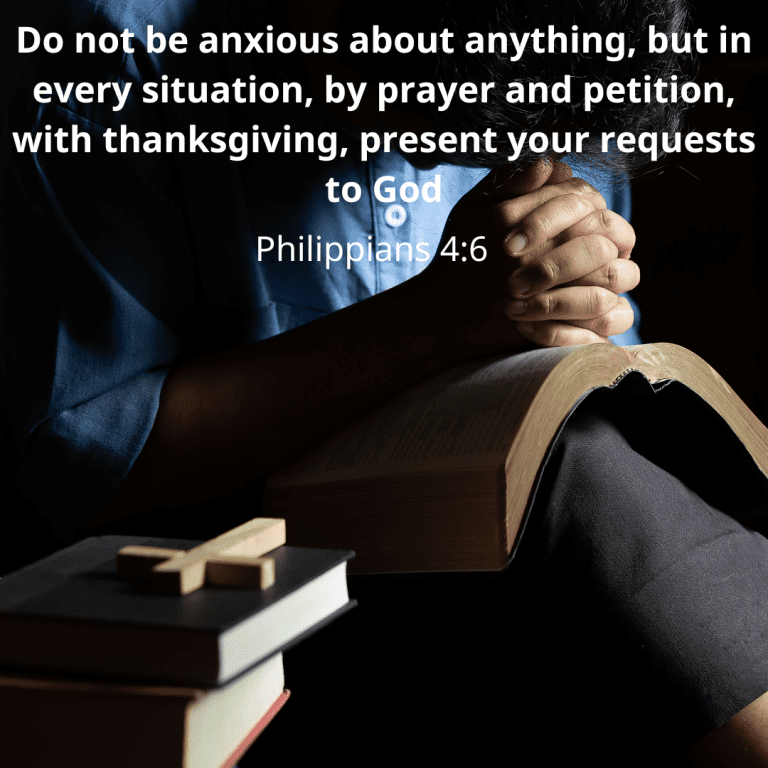
Philippians 4:6-7 (NIV): “Do not be anxious about anything, but in every situation, by prayer and petition, with thanksgiving, present your requests to God. And the peace of God, which transcends all understanding, will guard your hearts and your minds in Christ Jesus.”
Prayer is a powerful tool in navigating school life. Whether you’re stressed about an upcoming test or unsure about your future, bring your concerns to God in prayer. Prayer brings peace and clarity, helping you stay focused and calm in all situations.
Conclusion
Applying these biblical wisdom nuggets to your school life can significantly enhance your experience. By seeking God’s wisdom, practicing diligence, maintaining integrity, surrounding yourself with wise friends, trusting in God’s plan, managing your time wisely, and praying about everything, you can navigate the challenges of school with confidence and grace. Remember, God is with you every step of the way, ready to guide and support you.