
Many women, especially young women, quietly wrestle with this thought:
“Is being a woman a disadvantage?”
It can feel that way when:
- your voice is overlooked
- your abilities are doubted
- your safety feels fragile
- your value is reduced to appearance
- your timeline is controlled by social pressure
- your sacrifices go unnoticed
But Scripture tells a very different story. From the beginning, God established women with dignity, authority, purpose, and spiritual strength. Let’s walk through 7 Bible verses that speak directly to seasons when being a woman feels like a disadvantage.
1. Genesis 1:27 — Your Value Was Established at Creation
“So God created mankind in his own image, in the image of God he created them; male and female he created them.” (NIV)
Before society formed opinions about women, God formed identity. Both male and female were created in His image, equal in worth, equal in dignity, equal in spiritual value.
This means your value is not cultural, it is created. Not negotiated, declared. When the world minimizes women, creation itself speaks otherwise.
2. Judges 4:4–5 — God Raises Women Leaders
“Now Deborah, a prophet, the wife of Lappidoth, was leading Israel at that time.” (NIV)
Deborah was not hidden. She was not secondary. She was a national leader, judge, and prophet.
When leadership spaces feel closed to women, Deborah’s story reminds us: God is not limited by human bias. He appoints based on calling, not gender expectations.
Your leadership is not a mistake. Your voice is not out of place.
3. Psalm 139:14 — You Are Not a Design Error
“I praise you because I am fearfully and wonderfully made.” (NIV)
When being a woman feels like a burden instead of a blessing, this verse calls you back to truth: you are not an afterthought. Not an inferior version. Not a weaker model.
You are intentional design.
Your emotions, intuition, resilience, and nurturing strength are not flaws, they are features.
4. Luke 8:1–3 — Jesus Publicly Valued Women
“…the Twelve were with him, and also some women… These women were helping to support them out of their own means.” (NIV)
In a culture where women were often excluded, Jesus welcomed them into His mission circle. He taught them, traveled with them, and honored their contributions.
Jesus did not treat women as background characters, but as partners in purpose.
If you ever feel spiritually sidelined, remember: Jesus pulled women closer, not further away.
5. Proverbs 31:25 — Strength Is Feminine Too
“She is clothed with strength and dignity; she can laugh at the days to come.” (NIV)
Biblical womanhood is not a weakness. It is strength with dignity.
This woman is not fearful of the future, she faces it with confidence. Not because life is easy, but because her foundation is secure.
Strength is not unfeminine. Strength is biblical.
6. Galatians 3:28 — Your Spiritual Standing Is Equal
“There is neither Jew nor Gentile, neither slave nor free, nor is there male and female, for you are all one in Christ Jesus.” (NIV)
Before God, your access, inheritance, and spiritual identity are not limited by gender.
You are not spiritually second-class. Not spiritually delayed. Not spiritually restricted.
In Christ, you stand fully included.
7. John 20:16–18 — A Woman First Carried the Resurrection Message
Jesus said to her, “Mary.” … Mary Magdalene went to the disciples with the news: “I have seen the Lord!” (NIV)
The first recorded witness and messenger of the resurrection was a woman.
At the most important announcement in history, Jesus chose a woman to carry the news.
When the world questions whether women should speak, lead, or proclaim truth, the resurrection story answers clearly.
Final Encouragement: When It Feels Hard to Be a Woman
Yes, challenges women face are real. Inequality, pressure, vulnerability, and misunderstanding exist. But disadvantage is not destiny.
Biblically:
- Women are image-bearers
- Leaders
- Witnesses
- Supporters of mission
- Carriers of strength
- Voices of truth
- Chosen messengers
When being a woman feels like a disadvantage, remember, in God’s story, women are never optional. They are essential.

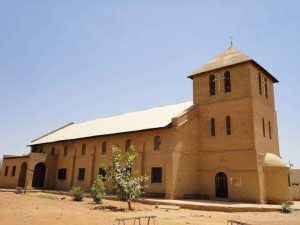
Have you ever wondered if Sudan connects to the ancient stories in the Bible? You may be surprised to learn that the land we call home today has deep ties to both Cush and ancient Egypt—two key regions mentioned in Scripture. Knowing that your country’s history is woven into the Bible can give you a new perspective on your identity and your faith. Let’s explore how Sudan’s biblical connections run through both Cush and Egypt, revealing a heritage that’s been part of God’s story for thousands of years.
A Land of Ancient Power
Upper Egypt refers to the southern part of Egypt, from just south of modern-day Cairo. Ancient Egypt’s southern border shifted during the course of history. South of Egypt we enter the land of Cush, which the Bible associates with modern-day Sudan. The Bible recognizes both Egypt and Cush as powerful regions, and in ancient times, these areas were closely connected through trade, cultural exchange, and even shared rulers.
During certain periods of history, Cushite kings even ruled Egypt, and this blending of cultures has left a lasting impact on both regions. One of the most significant moments in the Bible where this connection is highlighted is through the story of King Tirhakah, a Cushite who ruled Egypt and played a crucial role in the politics of the ancient Near East (Isaiah 37:8-20).
Believers from Cush
One of the most inspiring passages for Sudanese readers is Zephaniah 3:10, where God speaks about a time when His worshipers will come from the land of Cush and beyond.
Zephaniah 3:10 From beyond the rivers of Cush my worshipers, the daughter of my dispersed ones, shall bring my offering.
This shows that the people of Cush, including those from modern-day Sudan, have a special role in God’s plan. The Bible acknowledges the importance of Sudan’s people in worshipping God, and this prophetic vision highlights the fact that Sudan is part of God’s plan for his kingdom.
In this passage, Sudan is more than just a geographical reference—it is a place from where worship and offerings will be brought to God.
A man of faith
The Bible also highlights individuals from the Cush region who had strong faith. One of the most striking stories is that of the Ethiopian eunuch in Acts 8:27-39, who was an important official in the court of Candace (queen) of the Ethiopians. This eunuch was returning from Jerusalem where he had gone to worship, and he was reading from the prophet Isaiah when he met Philip the Evangelist. Philip explained the Scriptures to him, and the eunuch chose to be baptised right away.
Although the passage mentions an Ethiopian, the Greek word may refer to a black man. Cush also means black. Candace may come from the Nubian word for queen. Scholars have different theories on the location of Candace’s country in the region of Sudan and Ethiopia.
This story reminds us that Sudan has a long history of connection to the worship of God. Just as the eunuch eagerly sought to know more about God, Sudanese people today can seek God in the Bible and be inspired to take bold steps in their faith journey.
What Can You Take Away from This?
Sudan’s connection to both ancient Egypt and Cush in the Bible is a reminder of the enduring role your homeland has played in God’s plan. From the powerful kings of Cush who ruled Egypt to the prophetic vision of worshipers coming from beyond the rivers of Cush, the Bible reveals that Sudan’s story is part of God’s greater story.
You are part of a heritage that stretches back to the earliest times recorded in the Bible. The first mention of Cush is already in the description of Eden in Genesis 2:13.
Your land is mentioned in prophecies, historical accounts, and stories of faith. Sudan’s rulers, like Tirhakah, showed strength in times of crisis. Worshipers from Sudan are described as vital in the kingdom of God’s people. And individuals like Candace’s eunuch demonstrated how a personal encounter with the Bible can change your life.
The Bible’s connection to Sudan is not just about the past—it’s about your present and future. God has always had a plan for the people of Sudan, and that plan includes you today.
In Conclusion
Sudan’s biblical heritage through both Egypt and Cush shows that your homeland has always been important in God’s story. From kings and warriors to worshipers and seekers, Sudanese people have played vital roles in the events of the Bible. Sudan is part of a rich Biblical history.
As you explore these biblical passages, let them inspire you to dive deeper into God’s Word. Like Candace’s eunuch, don’t be afraid to ask questions, seek answers, and let the Bible transform your life. Your story is part of God’s story, and the Bible is waiting for you to discover it.

As we step into a brand-new year, it’s easy to get caught up in the “New Year, New Me” vibe. Social media is buzzing with resolutions, glow-ups, and vision boards. But let’s pause for a second, what if a fresh start isn’t just about what we do but about what God is doing in us?
1. A Promise of Renewal
The Bible is full of stories where God hits the reset button. Think about Noah. After the flood, God gave humanity a second chance. The rainbow became a symbol of His promise to never give up on us. Genesis 9:13 says, “I have set my rainbow in the clouds, and it will be the sign of the covenant between me and the earth.” This covenant reminds us that no matter how overwhelming life gets, God is always faithful to renew His relationship with us. He’s not just a God of second chances but of endless chances, each wrapped in His love and grace.
2. Grace for the Israelites
The Israelites messed up countless times, yet God’s grace led them into the Promised Land. His faithfulness shows us that no mistake is too big for a fresh start. Deuteronomy 31:8 reminds us, “The Lord himself goes before you and will be with you; he will never leave you nor forsake you. Do not be afraid; do not be discouraged.” Even in seasons of wandering and waiting, God was their guide and protector. This narrative is a powerful reminder that God’s presence remains constant, even when we lose our way.
3. Becoming a New Creation
Through Jesus, we’re not just given a clean slate, we’re made new. 2 Corinthians 5:17 declares, “Therefore, if anyone is in Christ, the new creation has come: The old has gone, the new is here!” This verse is a reminder that God’s transformation starts within. Being a new creation doesn’t mean life gets easier; it means we’re empowered by the Holy Spirit to live differently. It’s about leaving behind the labels and lies that once defined us and stepping boldly into the identity God has given us.
4. Letting Go of the Past
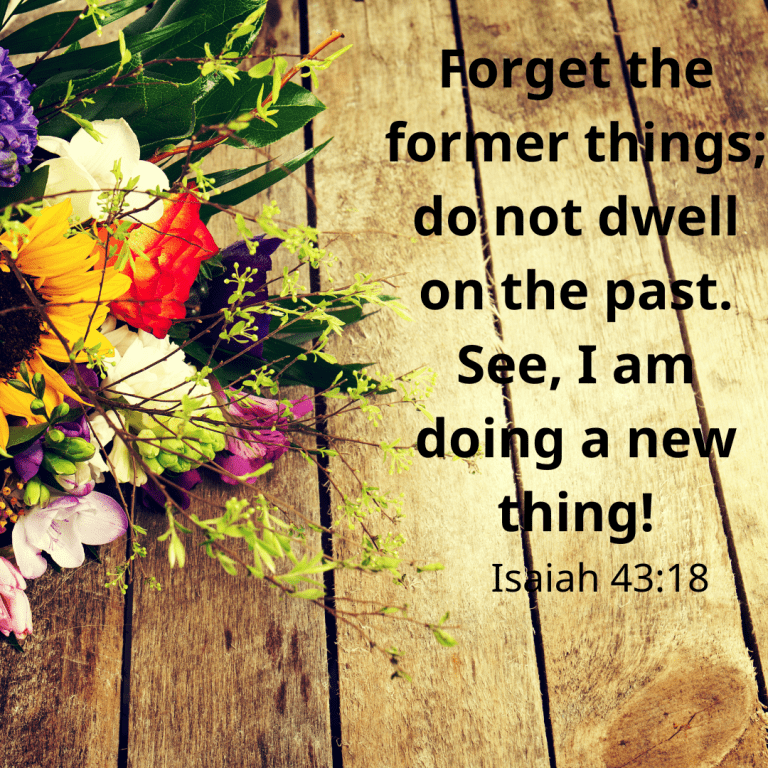
Sometimes life feels messy, and it’s hard to move forward. But God’s Word encourages us to release what’s behind. Isaiah 43:18-19 says, “Forget the former things; do not dwell on the past. See, I am doing a new thing!” God’s plans for us are always forward-focused. Letting go doesn’t mean pretending the pain or mistakes never happened. It means trusting God to use even our brokenness for His glory and to lead us into something better.
5. Daily Renewal Through Mercy
God’s mercies aren’t just for the start of the year, they’re new every single morning. Lamentations 3:22-23 proclaims, “Because of the Lord’s great love we are not consumed, for his compassions never fail. They are new every morning; great is your faithfulness.” This means every day is a fresh start. No matter how badly yesterday went, today is a chance to start over with God’s compassion as our foundation. His love is unshakable, and His faithfulness is unending.
6. Bold Steps of Faith
A fresh start often requires bold moves, like stepping out in faith. Joshua 1:9 encourages us, “Have I not commanded you? Be strong and courageous. Do not be afraid; do not be discouraged, for the Lord your God will be with you wherever you go.” Trust that God’s got your back as you move forward. Taking bold steps can feel scary, but it’s often where we grow the most. It’s in these moments of uncertainty that we discover the depth of God’s strength and provision.
7. Trusting in His Plans
As we embrace a new year, we can find peace in knowing that God’s plans are always for our good. Jeremiah 29:11assures us, “For I know the plans I have for you,” declares the Lord, “plans to prosper you and not to harm you, plans to give you hope and a future.” This promise doesn’t mean life will be problem-free, but it does mean that God’s purposes are perfect. Even when things don’t make sense, we can trust that He is working all things together for our good.
How to Make It Practical
- Pray About It: Ask God to show you what areas of your life need a reset. Be honest with Him; He can handle it.
- Find Your Squad: Surround yourself with people who point you toward Jesus. Life hits different when you’ve got a community that lifts you up.
- Set God-Centered Goals: Instead of just focusing on fitness or finances, think about how you can grow spiritually this year. Maybe it’s reading your Bible daily or serving others.
A Fresh Start for Everyone
Whether you’re stepping into this year with excitement or dragging last year’s baggage behind you, remember this: God specializes in fresh starts. He’s not limited by our failures or fears. His love is bigger, His grace is stronger, and His plans are better than anything we could imagine.
So, as you kick off this year, don’t just strive for change, invite God into your journey. He’s ready to write a new chapter in your story. Are you?

Marriage is the foundation for the Christian family. Husband and wife and by God’s grace blessed with children. Whether you hope to marry one day or are already married it’s good to go to the Bible and learn about marriage.
- Genesis 2:24 Therefore a man shall leave his father and his mother and hold fast to his wife, and they shall become one flesh.
Marriage is mentioned already in creation. Whether you are already married or not, here are Bible verses to guide you to what the Bible says about marriage.
- 1 Corinthians 7:2 But because of the temptation to sexual immorality, each man should have his own wife and each woman her own husband.
There are many kinds of temptations in the world. To be married is to give our love and loyalty to our husband or wife.
- Ephesians 5:25 Husbands, love your wives, as Christ loved the church and gave himself up for her
In a Christian marriage the husband is to love his wife as Christ loved us. This is to love even when it’s not deserved, unconditionally.
- Colossians 3:18-19 Wives, submit to your husbands, as is fitting in the Lord. Husbands, love your wives, and do not be harsh with them.
Love between husband and wife includes for the husband to be gentle and giving himself up for his wife, and for the wife to submit to and respect her husband.
- Exodus 20:14 You shall not commit adultery.
Loyalty and trust are fundamental in all relationships. In marriage that means to forsake all others and not have any other intimate relationships.
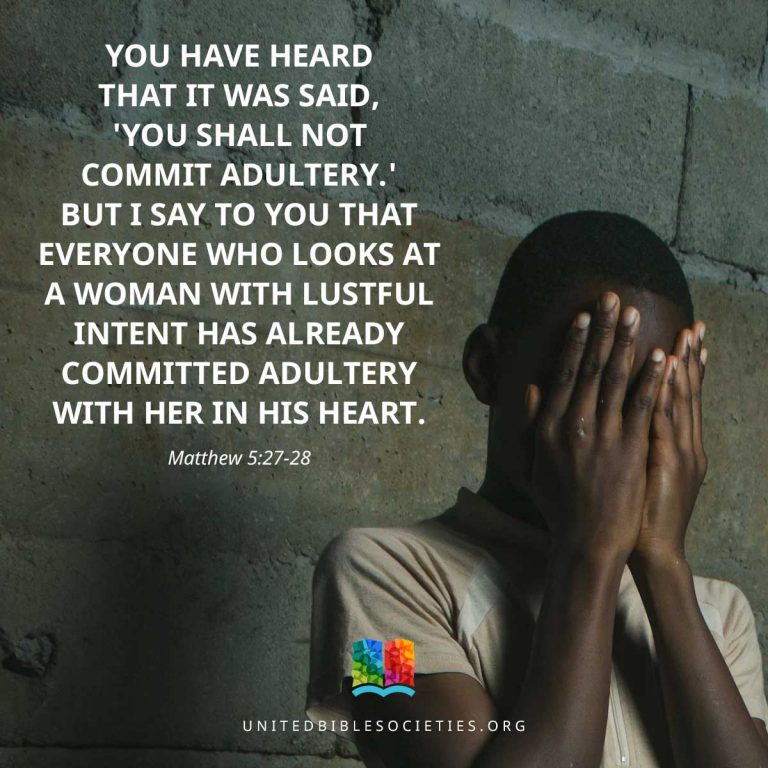
- Matthew 5:27-28 You have heard that it was said, ‘You shall not commit adultery.’ But I say to you that everyone who looks at a woman with lustful intent has already committed adultery with her in his heart.
Jesus taught us that it’s not only the act of adultery that is breaking the commandment, but even lustful thoughts.
- Ephesians 4:32 Be kind to one another, tenderhearted, forgiving one another, as God in Christ forgave you.
Although this verse speaks of the love between all Christians, it also applies to husband and wife. Forgive each other and be kind.

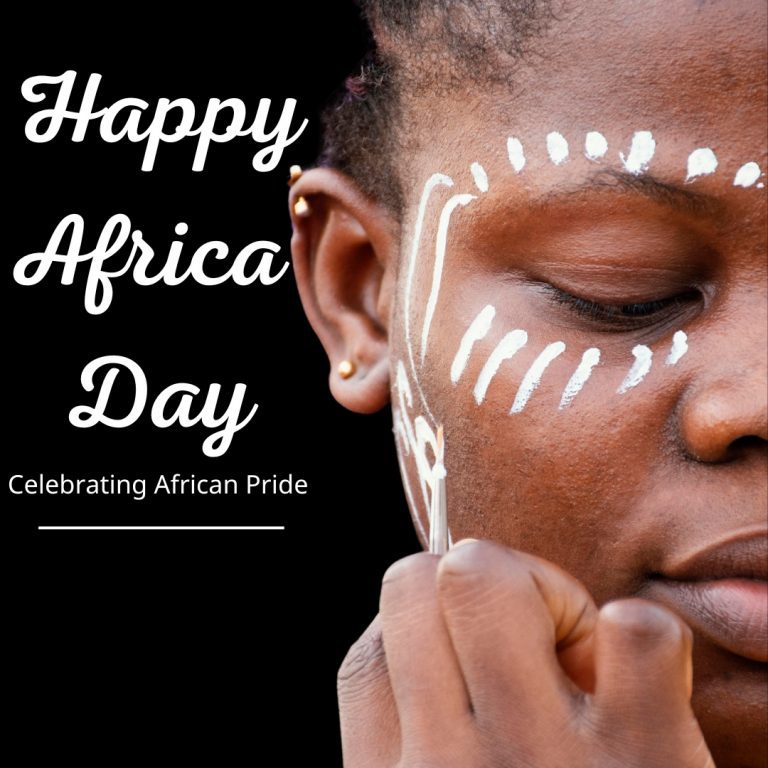
Come feel Africa’s rhythm! Its heart tells stories of winning, strength, and togetherness. As the sun shines on its big lands and lively cultures, we’re on the edge of Africa Day. It’s a party that goes beyond borders, celebrating what it means to be African.
A – Abundance of Blessings
Africa is blessed with natural wonders and resources, reflecting God’s abundant provision. Psalm 68:19 reminds us, “Praise be to the Lord, to God our Savior, who daily bears our burdens.”
F – Faithful Foundations
Africa’s history is intertwined with faith, from the ancient civilizations to modern-day believers. Hebrews 11:1 inspires us, “Now faith is confidence in what we hope for and assurance about what we do not see.”
R – Richness of Diversity
Africa’s diverse peoples and cultures showcase the beauty of God’s creation. Galatians 3:28 proclaims, “There is neither Jew nor Gentile, neither slave nor free, nor is there male and female, for you are all one in Christ Jesus.”
I – Inheritance of Identity
Africa’s heritage is a testament to the enduring legacy of its people. Psalm 16:6 assures us, “The boundary lines have fallen for me in pleasant places; surely I have a delightful inheritance.”
C – Call to Community
Africa’s communal spirit fosters unity and solidarity among its inhabitants. Ecclesiastes 4:9-10 teaches us, “Two are better than one, because they have a good return for their labor: If either of them falls down, one can help the other up. But pity anyone who falls and has no one to help them up.”
A – Affirmation
The Bible affirms the inherent value and dignity of every individual, echoing the principle of ubuntu prevalent in many African cultures.”So God created mankind in his own image, in the image of God he created them; male and female he created them.” – Genesis 1:27
As we journey through the spiritual essence of AFRICA, let us embrace its blessings, celebrate its diversity, and honor its heritage. For in this vast and vibrant continent, we discover echoes of God’s faithfulness, reminders of our shared humanity, and glimpses of His divine purpose for all creation. Let us unite in prayer, as Psalm 133:1 proclaims, “How good and pleasant it is when God’s people live together in unity!”

Got questions about marriage, love, and roles of husbands and wives? Here’s what the Bible really says about Christian marriage, respect, submission, and partnership.
Q1: Is marriage about power or partnership?
Short answer: Partnership.
Genesis 1:27
“So God created mankind in his own image… male and female he created them.”
From day one, both man and woman were created in God’s image.
That means equal worth. Equal dignity. Equal value.
Marriage was never designed as a boss-assistant setup.
It was designed as two teammates building life together.
Q2: Does “helper” mean women are inferior?
Short answer: Not even close.
Genesis 2:18
“I will make a helper suitable for him.”
The word helper here is the same word used for God being our helper.
So if helper = inferior, then God is inferior… which makes zero sense.
Also, “suitable for him” means:
equal to, corresponding to, matching him.
Not above. Not below. Right next to.
Q3: Who was meant to lead in marriage?
Short answer: Leadership ≠ control.
Genesis 2:24
“A man leaves his father and mother and is united to his wife.”
God told the man to leave his family and cling to his wife.
That’s emotional leadership.
That’s commitment.
Marriage leadership isn’t about domination.
It’s about responsibility.
Q4: Did God design men to rule over women?
Short answer: No. That came after sin.
Genesis 3:16
“He will rule over you.”
This verse isn’t God’s design.
It’s God describing the damage sin caused.
Male domination isn’t creation order.
It’s fall damage.
Q5: What does “head” really mean in the Bible?
Short answer: Source, not tyrant.
1 Corinthians 11:3
“The head of the woman is man…”
The word head can mean:
- boss
- or source
The whole context of this chapter is origin, not rank.
Man came first.
Woman came from man.
Now man is born from woman.
That’s interdependence, not superiority.
Q6: Is marriage one-sided submission?
Short answer: Nope. It’s mutual.
Ephesians 5:21
“Submit to one another out of reverence for Christ.”
Before Paul even mentions wives or husbands,
he says: submit to one another.
Marriage isn’t one person shrinking.
It’s both people choosing humility.
Q7: What’s the husband’s main responsibility?
Short answer: Love like Jesus.
Ephesians 5:25
“Husbands, love your wives as Christ loved the church.”
This is not soft advice.
This is next-level instruction.
Jesus loved sacrificially.
Jesus loved unconditionally.
Jesus served humbly.
That’s the blueprint for husbands.
So What Does This Mean for Modern Marriage?
For Men
- Lead by serving, not controlling.
- Love without conditions.
- Create emotional and spiritual safety.
- Be the first to sacrifice.
For Women
- Respect isn’t weakness, it’s power.
- Partner, don’t compete.
- Honor his role, just as he honors yours.
- Speak truth with grace.
Disclaimer:
This article is for encouragement only and does not replace pastoral or professional counselling. For personal guidance, please consult your pastor, church leader, or a qualified counsellor.

Marriage, Love & Respect: Your Real Questions Answered (Biblical Edition)
Got questions about marriage, love, and roles of husbands and wives? Here’s what the Bible really says about Christian marriage, respect, submission, and partnership.

Got questions about marriage, love, and roles of husbands and wives? Here’s what the Bible really says about Christian marriage, respect, submission, and partnership.