
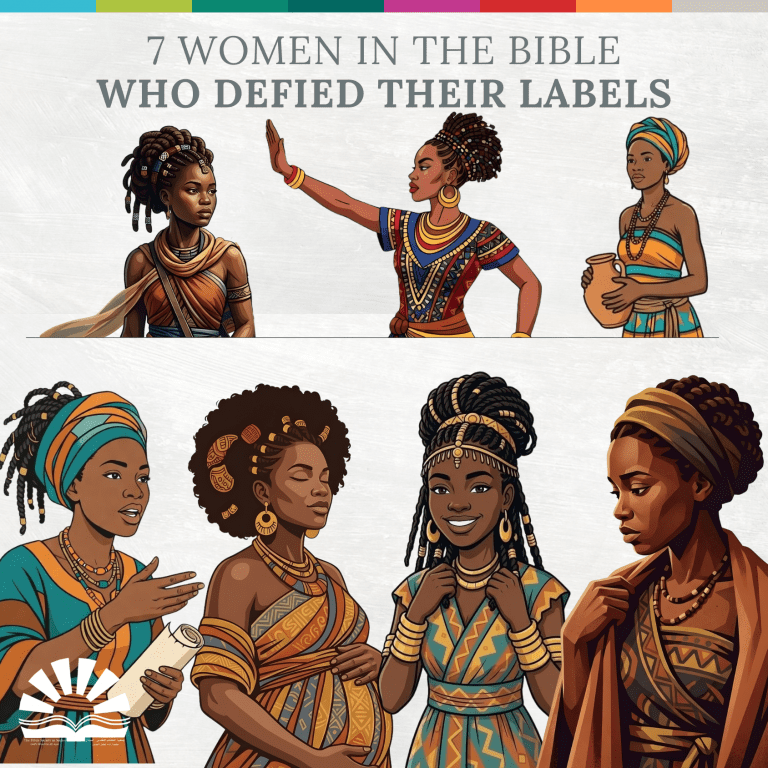
Labels are everywhere.
“Too emotional.”
“Too loud.”
“Too broken.”
“Single mother.”
“Divorced.”
“Uneducated.”
“Unwanted.”
For most young women, labels often come through social media comments, relationship expectations, workplace pressure, or cultural stereotypes. One viral moment can define how people see you forever.
But the Bible tells a different story.
Throughout Scripture, women were often defined by society’s harshest labels, yet God rewrote their identities. He didn’t see them as failures, outsiders, or problems.
He saw purpose.
If you have ever felt reduced to your mistakes or circumstances, these seven Bible moments reveal a powerful truth:
You are more than the title people gave you.
1. Rahab — From Harlot to Hero of Faith
Bible Verse — Joshua 2:11
“The Lord your God is God in heaven above and on the earth below.”
Rahab was known by one title: prostitute.
In her society, that label defined everything about her reputation and future. People would have dismissed her as morally unworthy.
Yet when Israelite spies entered Jericho, Rahab chose courage over fear. She protected them because she believed in God before many Israelites themselves showed faith.
God didn’t erase her past, He redeemed it.
She later became part of the lineage of Jesus.
Key takeaway: Your worst chapter does not cancel your future chapters.
2. Leah — The Woman Who Felt Invisible
Bible Verse — Genesis 29:31 (NIV)
“When the Lord saw that Leah was not loved, he enabled her to conceive.”
Leah lived with one painful label: unwanted.
Chosen through deception, she entered marriage knowing her husband loved someone else.
In today’s terms, Leah might have struggled with comparison culture, constantly measuring herself against someone prettier, more loved, or more successful.
But God noticed what people ignored.
Through Leah came Judah, the tribe from which Jesus would come.
Key takeaway: God sees you even when people overlook you.
3. The Woman with the Issue of Blood — From “Unclean” to Restored
Bible Verse — Mark 5:34
“Daughter, your faith has healed you. Go in peace.”
For twelve years, Woman with the Issue of Blood lived under a devastating label: unclean.
She couldn’t freely worship or socialize.
Imagine being cancelled for twelve straight years.
No invitations. No hugs. No community.
Yet she broke social rules to reach Jesus.
Instead of rebuke, Jesus gave her a new title: Daughter.
God replaced exclusion with belonging.
Lesson: Healing sometimes begins when you stop waiting for permission to approach God.
4. Mary Magdalene — From Broken Past to First Witness
Bible Verse — Luke 8:2
“Mary called Magdalene… from whom seven demons had come out.”
Many people remember Mary Magdalene only through rumours or misconceptions.
Her history included spiritual torment.
But Jesus restored her dignity.
At the resurrection, she became the first witness to the risen Christ, trusted with history’s greatest announcement.
Lesson: Your healing story can become someone else’s hope story.
5. The Samaritan Woman — From Scandal to Evangelist
Bible Verse — John 4:29
“Come, see a man who told me everything I ever did.”
Samaritan woman at the well carried multiple labels:
- Divorced repeatedly.
- Social outsider.
- Ethnic minority.
She fetched water at noon, alone and avoiding judgmental eyes.
Yet Jesus chose her for one of the longest recorded conversations in the Gospels.
She became the first evangelist to her town.
The woman everyone avoided became the woman everyone listened to.
Lesson for today: God can use the person society scrolls past.
6. Hannah — From “Barren” to Bold Prayer Warrior
Bible Verse — 1 Samuel 1:27
“I prayed for this child, and the Lord has granted me what I asked of him.”
In ancient culture, infertility defined a woman’s worth.
Hannah endured mockery and emotional pain because she could not have children.
People saw failure.
God saw faith.
Her honest prayers birthed Samuel, one of Israel’s greatest prophets.
Reminder: Delays are not denials.
7. Esther — From Orphan to Nation Saver
Bible Verse — Esther 4:14
“And who knows but that you have come to your royal position for such a time as this?”
Esther began life with another label: orphan.
No privilege. No protection.
Yet God positioned her as queen during a national crisis.
Her courage saved an entire people.
Sometimes your story’s hardest beginning prepares you for your greatest influence.
Truth: Purpose often hides inside uncomfortable seasons.
Interactive Reflection — What Labels Have You Been Given?
Maybe yours sound like:
- Failure.
- Too old.
- Too young.
- Single.
- Emotional.
- Poor.
- Not educated enough.
Now ask yourself:
What does God call you instead?
Scripture says:
- Chosen.
- Loved.
- Redeemed.
- Daughter.
- Strong.
- Called.
The Bible consistently shows that God specializes in rewriting identities.
Final Thought — God Renames Stories
If history teaches us anything, it is this:
God does not consult public opinion before calling someone.
Rahab was not only a prostitute.
Leah was not only unloved.
The bleeding woman was not only unclean.
They were daughters, leaders, witnesses, and history-makers.
And so are you.
Because in God’s story, You are always more than a title.
As we step into a brand-new year, it’s easy to get caught up in the “New Year, New Me” vibe. Social media is buzzing with resolutions, glow-ups, and vision boards. But let’s pause for a second, what if a fresh start isn’t just about what we do but about what God is doing in us?
1. A Promise of Renewal
The Bible is full of stories where God hits the reset button. Think about Noah. After the flood, God gave humanity a second chance. The rainbow became a symbol of His promise to never give up on us. Genesis 9:13 says, “I have set my rainbow in the clouds, and it will be the sign of the covenant between me and the earth.” This covenant reminds us that no matter how overwhelming life gets, God is always faithful to renew His relationship with us. He’s not just a God of second chances but of endless chances, each wrapped in His love and grace.
2. Grace for the Israelites
The Israelites messed up countless times, yet God’s grace led them into the Promised Land. His faithfulness shows us that no mistake is too big for a fresh start. Deuteronomy 31:8 reminds us, “The Lord himself goes before you and will be with you; he will never leave you nor forsake you. Do not be afraid; do not be discouraged.” Even in seasons of wandering and waiting, God was their guide and protector. This narrative is a powerful reminder that God’s presence remains constant, even when we lose our way.
3. Becoming a New Creation
Through Jesus, we’re not just given a clean slate, we’re made new. 2 Corinthians 5:17 declares, “Therefore, if anyone is in Christ, the new creation has come: The old has gone, the new is here!” This verse is a reminder that God’s transformation starts within. Being a new creation doesn’t mean life gets easier; it means we’re empowered by the Holy Spirit to live differently. It’s about leaving behind the labels and lies that once defined us and stepping boldly into the identity God has given us.
4. Letting Go of the Past
Sometimes life feels messy, and it’s hard to move forward. But God’s Word encourages us to release what’s behind. Isaiah 43:18-19 says, “Forget the former things; do not dwell on the past. See, I am doing a new thing!” God’s plans for us are always forward-focused. Letting go doesn’t mean pretending the pain or mistakes never happened. It means trusting God to use even our brokenness for His glory and to lead us into something better.
5. Daily Renewal Through Mercy
God’s mercies aren’t just for the start of the year, they’re new every single morning. Lamentations 3:22-23 proclaims, “Because of the Lord’s great love we are not consumed, for his compassions never fail. They are new every morning; great is your faithfulness.” This means every day is a fresh start. No matter how badly yesterday went, today is a chance to start over with God’s compassion as our foundation. His love is unshakable, and His faithfulness is unending.
6. Bold Steps of Faith
A fresh start often requires bold moves, like stepping out in faith. Joshua 1:9 encourages us, “Have I not commanded you? Be strong and courageous. Do not be afraid; do not be discouraged, for the Lord your God will be with you wherever you go.” Trust that God’s got your back as you move forward. Taking bold steps can feel scary, but it’s often where we grow the most. It’s in these moments of uncertainty that we discover the depth of God’s strength and provision.
7. Trusting in His Plans
As we embrace a new year, we can find peace in knowing that God’s plans are always for our good. Jeremiah 29:11assures us, “For I know the plans I have for you,” declares the Lord, “plans to prosper you and not to harm you, plans to give you hope and a future.” This promise doesn’t mean life will be problem-free, but it does mean that God’s purposes are perfect. Even when things don’t make sense, we can trust that He is working all things together for our good.
How to Make It Practical
- Pray About It: Ask God to show you what areas of your life need a reset. Be honest with Him; He can handle it.
- Find Your Squad: Surround yourself with people who point you toward Jesus. Life hits different when you’ve got a community that lifts you up.
- Set God-Centered Goals: Instead of just focusing on fitness or finances, think about how you can grow spiritually this year. Maybe it’s reading your Bible daily or serving others.
A Fresh Start for Everyone
Whether you’re stepping into this year with excitement or dragging last year’s baggage behind you, remember this: God specializes in fresh starts. He’s not limited by our failures or fears. His love is bigger, His grace is stronger, and His plans are better than anything we could imagine.
So, as you kick off this year, don’t just strive for change, invite God into your journey. He’s ready to write a new chapter in your story. Are you?
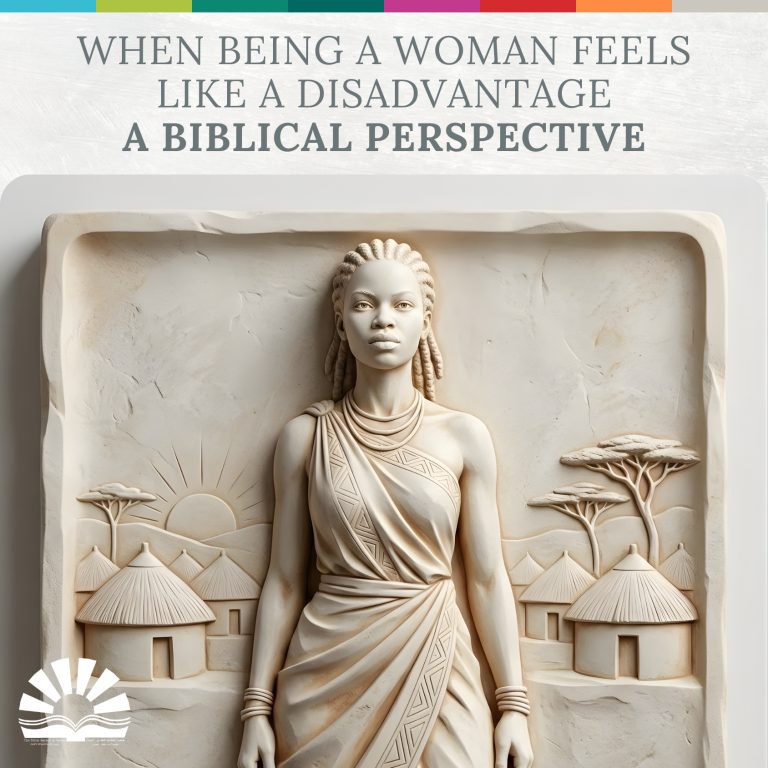
Many women, especially young women, quietly wrestle with this thought:
“Is being a woman a disadvantage?”
It can feel that way when:
- your voice is overlooked
- your abilities are doubted
- your safety feels fragile
- your value is reduced to appearance
- your timeline is controlled by social pressure
- your sacrifices go unnoticed
But Scripture tells a very different story. From the beginning, God established women with dignity, authority, purpose, and spiritual strength. Let’s walk through 7 Bible verses that speak directly to seasons when being a woman feels like a disadvantage.
1. Genesis 1:27 — Your Value Was Established at Creation
“So God created mankind in his own image, in the image of God he created them; male and female he created them.” (NIV)
Before society formed opinions about women, God formed identity. Both male and female were created in His image, equal in worth, equal in dignity, equal in spiritual value.
This means your value is not cultural, it is created. Not negotiated, declared. When the world minimizes women, creation itself speaks otherwise.
2. Judges 4:4–5 — God Raises Women Leaders
“Now Deborah, a prophet, the wife of Lappidoth, was leading Israel at that time.” (NIV)
Deborah was not hidden. She was not secondary. She was a national leader, judge, and prophet.
When leadership spaces feel closed to women, Deborah’s story reminds us: God is not limited by human bias. He appoints based on calling, not gender expectations.
Your leadership is not a mistake. Your voice is not out of place.
3. Psalm 139:14 — You Are Not a Design Error
“I praise you because I am fearfully and wonderfully made.” (NIV)
When being a woman feels like a burden instead of a blessing, this verse calls you back to truth: you are not an afterthought. Not an inferior version. Not a weaker model.
You are intentional design.
Your emotions, intuition, resilience, and nurturing strength are not flaws, they are features.
4. Luke 8:1–3 — Jesus Publicly Valued Women
“…the Twelve were with him, and also some women… These women were helping to support them out of their own means.” (NIV)
In a culture where women were often excluded, Jesus welcomed them into His mission circle. He taught them, traveled with them, and honored their contributions.
Jesus did not treat women as background characters, but as partners in purpose.
If you ever feel spiritually sidelined, remember: Jesus pulled women closer, not further away.
5. Proverbs 31:25 — Strength Is Feminine Too
“She is clothed with strength and dignity; she can laugh at the days to come.” (NIV)
Biblical womanhood is not a weakness. It is strength with dignity.
This woman is not fearful of the future, she faces it with confidence. Not because life is easy, but because her foundation is secure.
Strength is not unfeminine. Strength is biblical.
6. Galatians 3:28 — Your Spiritual Standing Is Equal
“There is neither Jew nor Gentile, neither slave nor free, nor is there male and female, for you are all one in Christ Jesus.” (NIV)
Before God, your access, inheritance, and spiritual identity are not limited by gender.
You are not spiritually second-class. Not spiritually delayed. Not spiritually restricted.
In Christ, you stand fully included.
7. John 20:16–18 — A Woman First Carried the Resurrection Message
Jesus said to her, “Mary.” … Mary Magdalene went to the disciples with the news: “I have seen the Lord!” (NIV)
The first recorded witness and messenger of the resurrection was a woman.
At the most important announcement in history, Jesus chose a woman to carry the news.
When the world questions whether women should speak, lead, or proclaim truth, the resurrection story answers clearly.
Final Encouragement: When It Feels Hard to Be a Woman
Yes, challenges women face are real. Inequality, pressure, vulnerability, and misunderstanding exist. But disadvantage is not destiny.
Biblically:
- Women are image-bearers
- Leaders
- Witnesses
- Supporters of mission
- Carriers of strength
- Voices of truth
- Chosen messengers
When being a woman feels like a disadvantage, remember, in God’s story, women are never optional. They are essential.

Got questions about marriage, love, and roles of husbands and wives? Here’s what the Bible really says about Christian marriage, respect, submission, and partnership.
Q1: Is marriage about power or partnership?
Short answer: Partnership.
Genesis 1:27
“So God created mankind in his own image… male and female he created them.”
From day one, both man and woman were created in God’s image.
That means equal worth. Equal dignity. Equal value.
Marriage was never designed as a boss-assistant setup.
It was designed as two teammates building life together.
Q2: Does “helper” mean women are inferior?
Short answer: Not even close.
Genesis 2:18
“I will make a helper suitable for him.”
The word helper here is the same word used for God being our helper.
So if helper = inferior, then God is inferior… which makes zero sense.
Also, “suitable for him” means:
equal to, corresponding to, matching him.
Not above. Not below. Right next to.
Q3: Who was meant to lead in marriage?
Short answer: Leadership ≠ control.
Genesis 2:24
“A man leaves his father and mother and is united to his wife.”
God told the man to leave his family and cling to his wife.
That’s emotional leadership.
That’s commitment.
Marriage leadership isn’t about domination.
It’s about responsibility.
Q4: Did God design men to rule over women?
Short answer: No. That came after sin.
Genesis 3:16
“He will rule over you.”
This verse isn’t God’s design.
It’s God describing the damage sin caused.
Male domination isn’t creation order.
It’s fall damage.
Q5: What does “head” really mean in the Bible?
Short answer: Source, not tyrant.
1 Corinthians 11:3
“The head of the woman is man…”
The word head can mean:
- boss
- or source
The whole context of this chapter is origin, not rank.
Man came first.
Woman came from man.
Now man is born from woman.
That’s interdependence, not superiority.
Q6: Is marriage one-sided submission?
Short answer: Nope. It’s mutual.
Ephesians 5:21
“Submit to one another out of reverence for Christ.”
Before Paul even mentions wives or husbands,
he says: submit to one another.
Marriage isn’t one person shrinking.
It’s both people choosing humility.
Q7: What’s the husband’s main responsibility?
Short answer: Love like Jesus.
Ephesians 5:25
“Husbands, love your wives as Christ loved the church.”
This is not soft advice.
This is next-level instruction.
Jesus loved sacrificially.
Jesus loved unconditionally.
Jesus served humbly.
That’s the blueprint for husbands.
So What Does This Mean for Modern Marriage?
For Men
- Lead by serving, not controlling.
- Love without conditions.
- Create emotional and spiritual safety.
- Be the first to sacrifice.
For Women
- Respect isn’t weakness, it’s power.
- Partner, don’t compete.
- Honor his role, just as he honors yours.
- Speak truth with grace.
Disclaimer:
This article is for encouragement only and does not replace pastoral or professional counselling. For personal guidance, please consult your pastor, church leader, or a qualified counsellor.
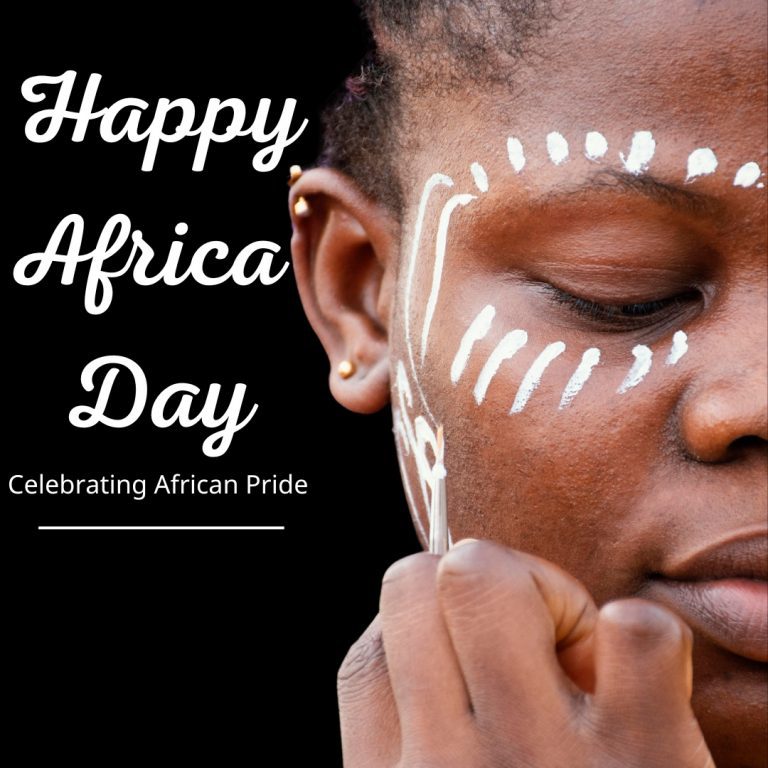
Come feel Africa’s rhythm! Its heart tells stories of winning, strength, and togetherness. As the sun shines on its big lands and lively cultures, we’re on the edge of Africa Day. It’s a party that goes beyond borders, celebrating what it means to be African.
A – Abundance of Blessings
Africa is blessed with natural wonders and resources, reflecting God’s abundant provision. Psalm 68:19 reminds us, “Praise be to the Lord, to God our Savior, who daily bears our burdens.”
F – Faithful Foundations
Africa’s history is intertwined with faith, from the ancient civilizations to modern-day believers. Hebrews 11:1 inspires us, “Now faith is confidence in what we hope for and assurance about what we do not see.”
R – Richness of Diversity
Africa’s diverse peoples and cultures showcase the beauty of God’s creation. Galatians 3:28 proclaims, “There is neither Jew nor Gentile, neither slave nor free, nor is there male and female, for you are all one in Christ Jesus.”
I – Inheritance of Identity
Africa’s heritage is a testament to the enduring legacy of its people. Psalm 16:6 assures us, “The boundary lines have fallen for me in pleasant places; surely I have a delightful inheritance.”
C – Call to Community
Africa’s communal spirit fosters unity and solidarity among its inhabitants. Ecclesiastes 4:9-10 teaches us, “Two are better than one, because they have a good return for their labor: If either of them falls down, one can help the other up. But pity anyone who falls and has no one to help them up.”
A – Affirmation
The Bible affirms the inherent value and dignity of every individual, echoing the principle of ubuntu prevalent in many African cultures.”So God created mankind in his own image, in the image of God he created them; male and female he created them.” – Genesis 1:27
As we journey through the spiritual essence of AFRICA, let us embrace its blessings, celebrate its diversity, and honor its heritage. For in this vast and vibrant continent, we discover echoes of God’s faithfulness, reminders of our shared humanity, and glimpses of His divine purpose for all creation. Let us unite in prayer, as Psalm 133:1 proclaims, “How good and pleasant it is when God’s people live together in unity!”
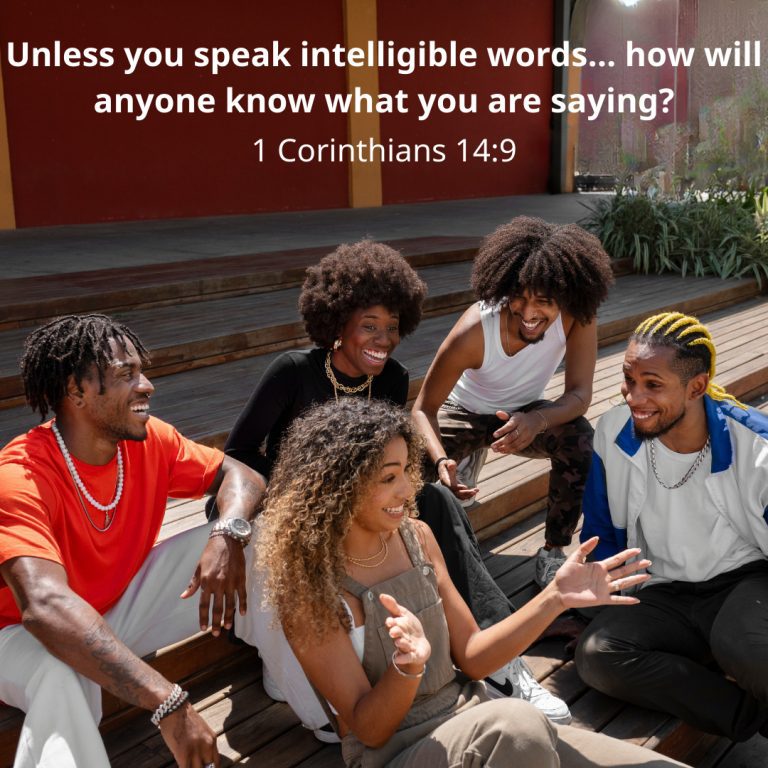
Theme verse: “We hear them declaring the wonders of God in our own tongues!” – Acts 2:11
Picture this: you’re at a massive global festival — music blasting, people in colorful outfits, food stalls with smells from every country. You hear bits of conversation all around you — French, Korean, Shona, Spanish — but none of it really lands with you because it’s not your language. Then suddenly, over the noise, you hear someone speaking your exact dialect — telling a story that feels like it was written for you. Instantly, you feel seen, understood, and connected.
That’s what happened on the Day of Pentecost in Acts 2. The Holy Spirit didn’t just drop a universal language from the sky, He gave the disciples the ability to speak the heart languages of everyone there. It was the first miraculous translation of the Gospel, and it set the tone for how God’s Word would travel through history: personal, accessible, and in every language under heaven.
Here are 7 Bible verses showing how God values every language — and why translation is still His heartbeat today.
1. Acts 2:4 – “All of them were filled with the Holy Spirit and began to speak in other tongues as the Spirit enabled them.”
This moment wasn’t about showing off supernatural skills; it was about connection. Imagine a livestream where the subtitles instantly appear in every viewer’s language without a glitch. That’s the Pentecost miracle. God could have picked one “holy” language and told the world to learn it, but instead, He said, “I’ll come to you where you are.” He knew that the fastest way to someone’s heart is to speak in words they’ve known since childhood — the ones their grandmother used when telling bedtime stories, the ones they use when they cry or pray.
2. Acts 2:11 – “We hear them declaring the wonders of God in our own tongues!”
The crowd didn’t just hear “religious talk.” They heard the wonders of God — in words they didn’t have to translate in their heads. It’s the difference between watching a movie dubbed in your language versus struggling through with broken subtitles. When the message comes in your mother tongue, it feels like it was crafted for you. That day, God wasn’t just talking to people — He was talking with them, in the very vocabulary that shaped their identity.
3. Revelation 7:9 – *”…from every nation, tribe, people and language, standing before the throne…” *
Heaven will not be a one-language zone. It will be the most diverse, colorful gathering ever — every accent, every rhythm, every dialect praising the same God. Translation work today is like a sneak preview of that day. Every time a new Bible translation is completed, it’s another rehearsal for the heavenly choir, making sure every voice can join in without needing someone else to interpret for them.
4. Genesis 11:9 – “That is why it was called Babel — because there the Lord confused the language of the whole world.”
At Babel, language differences pushed people apart. But at Pentecost, God flipped the script — languages became bridges, not barriers. Translation work continues that miracle. It takes something that could divide us and turns it into a point of connection. If Babel was the scattering, Pentecost — and every Bible translation today — is the gathering.
5. Romans 10:14 – “How can they believe in the one of whom they have not heard?”
You can’t believe a message you’ve never understood. That’s why translation is more than a technical process, it’s a lifeline. It’s like getting urgent news in a language you actually comprehend, instead of in one that leaves you guessing. Faith grows when the Gospel comes to you without a language barrier blocking the way.
6. 1 Corinthians 14:9 – “Unless you speak intelligible words… how will anyone know what you are saying?”
Ever been in a group chat where everyone is using inside jokes or slang you don’t know? You feel left out, even if the conversation is meant to include you. God’s Word is too important to be “lost in translation.” That’s why He makes sure it’s not just available, but understandable, so that no one has to scroll past the greatest message ever told because it feels out of reach.
7. Matthew 28:19–20 – *”Go and make disciples of all nations…” *
“All nations” isn’t just geography ,it’s culture, it’s language, it’s the way people think and express themselves. The Great Commission is, at its core, a Great Translation Mission. Jesus’ final command is an open invitation to take His words into every linguistic space.
Final Challenge
God is not a distant voice speaking in a code you have to crack. He’s the one who speaks your slang, your memes, your mother tongue, your unfiltered prayers. This World Translation Day, remember: God doesn’t wait for you to learn His language, He comes speaking yours. And when you share His Word, you’re joining that same mission, making sure no one misses the message because they couldn’t understand it.
-
The 1927 Gospel of Mark in Sudanese Arabic: A Legacy of Its Time
When we think of Bible translations in Sudan, our minds often go to the many languages of the Nuba Mountains and beyond.Yet, nearly a century ago, a bold and unusual experiment was undertaken in Khartoum and Omdurman—a translation that still speaks to the history of Bible mission work in Sudan. The Gospel of Mark in…
-
From Nubia to Now: The Gospel of Mark and the Lord’s Prayer in Nobiin
When you hear the word Nubia, what comes to mind? For many, it’s the golden sands along the Nile, the echoes of pyramids and temples, or the proud heritage of one of Africa’s earliest civilisations. But Nubia is also a land where the Bible has deep roots, stretching back in history. Today, in the middle…
-
From Eden to the Nuba Mountains: The Heiban New Testament
When you open a Bible in the Heiban language, you’re not just holding a translation—you’re stepping into a story that begins at the very dawn of the Scriptures. From Cush to the Nuba Mountains The Bible first mentions the land of Cush in Genesis 2:13, when the river Gihon is said to flow out from…
-
God Speaks My Language: How Faith Connects Across Every Tongue and Culture
Theme verse: “We hear them declaring the wonders of God in our own tongues!” – Acts 2:11 Picture this: you’re at a massive global festival — music blasting, people in colorful outfits, food stalls with smells from every country. You hear bits of conversation all around you — French, Korean, Shona, Spanish — but none…

Matthew 14:26-31 But when the disciples saw him walking on the sea, they were terrified, and said, “It is a ghost!” and they cried out in fear. But immediately Jesus spoke to them, saying, “Take heart; it is I. Do not be afraid.” And Peter answered him, “Lord, if it is you, command me to come to you on the water.” He said, “Come.” So Peter got out of the boat and walked on the water and came to Jesus. But when he saw the wind, he was afraid, and beginning to sink he cried out, “Lord, save me.” Jesus immediately reached out his hand and took hold of him, saying to him, “O you of little faith, why did you doubt?”
Faith in God can move us beyond the impossible, but doubt weakens us. This is an important lesson for Peter at this time, and for you and me today. Things that are impossible without faith, like walking on water, can become possible with faith.
Question: In which areas of your life could your faith be stronger?
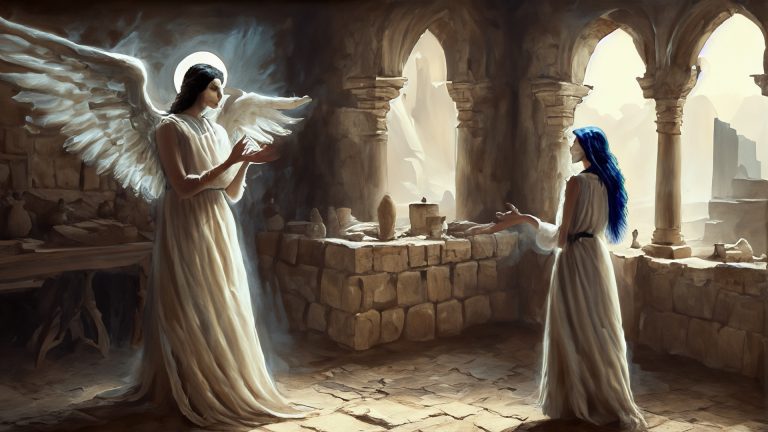
Judges 13:3-5 And the angel of the LORD appeared to the woman and said to her, “Behold, you are barren and have not borne children, but you shall conceive and bear a son. Therefore be careful and drink no wine or strong drink, and eat nothing unclean, for behold, you shall conceive and bear a son. No razor shall come upon his head, for the child shall be a Nazirite to God from the womb, and he shall begin to save Israel from the hand of the Philistines.”
To read about the Nazarite vow, read Numbers 6.
Question: Like Samson, who was called for a special purpose even before birth, what unique talents or roles do you feel called to, and how can you use them to serve your community or nation?
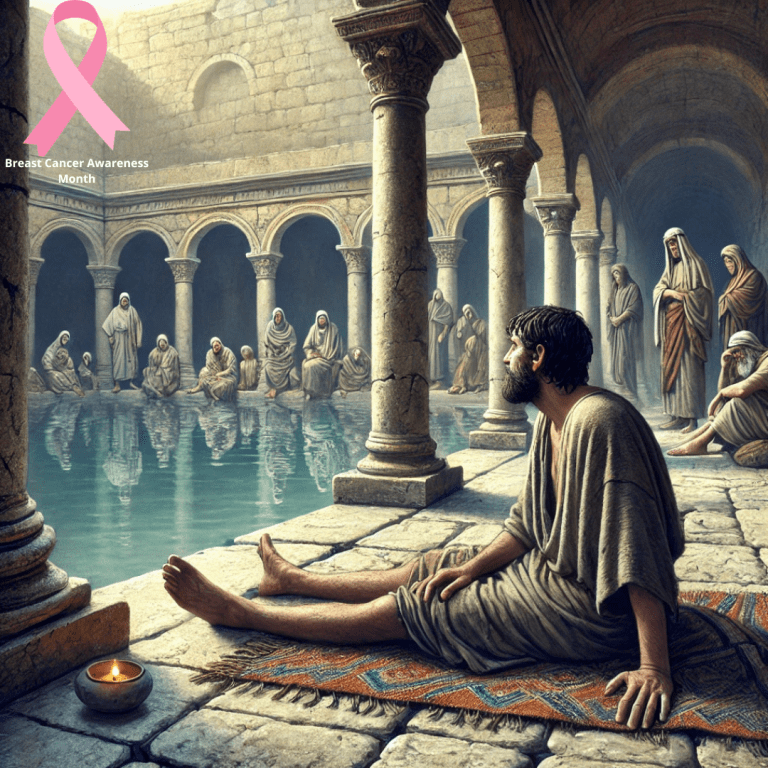
John 5:14 “Later Jesus found him at the temple and said to him, ‘See, you are well again. Stop sinning or something worse may happen to you.’”
Jesus later finds the man and gives him a warning, urging him to live a life free from sin. While physical healing is important, Jesus points to the need for spiritual healing and holiness, emphasizing that the health of the soul matters just as much as the body.
Reflection Questions:
- What spiritual areas in your life need healing or attention in the same way the man’s body needed healing?
- How do you see the connection between physical and spiritual well-being?
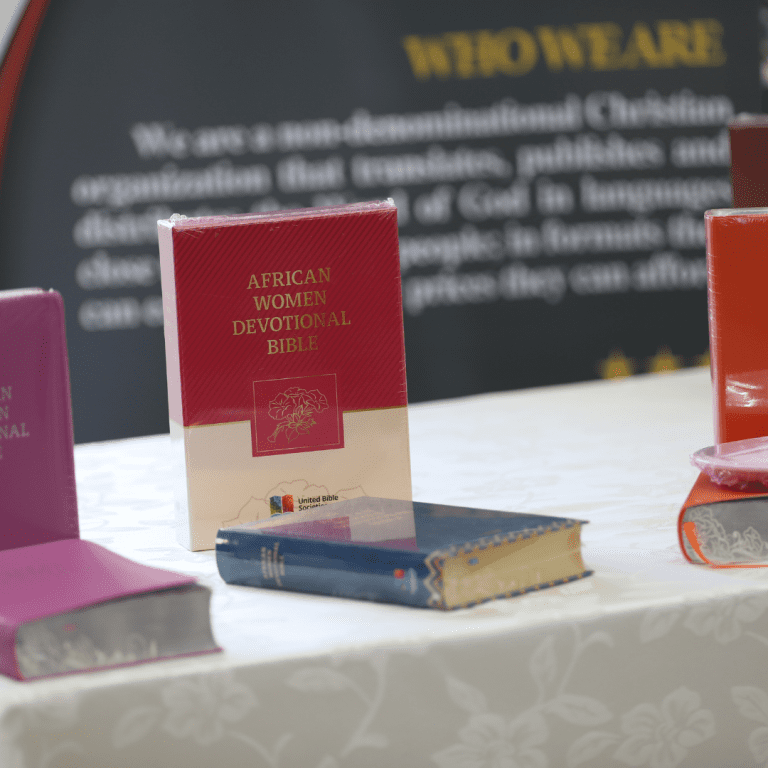
Perhaps you’ve selected a Bible and started reading it. Maybe you’re even setting aside regular times to reflect or pray. You’ve gotten a taste of what’s inside, and a desire for God’s words is growing in you as you recognize the nourishment God offers in these encounters. What comes next? How do you go from a surface reading to unlocking and taking in more and more of what God has for you?
Whether you are reading the Bible for devotion, prayer, or academic learning, it is helpful to know how to study a Scripture passage. Studying helps us understand Scripture in its context, setting the stage for us to hear how God continues to speak to us through it today.
Find a comfy chair, pour a cup of coffee, and join me in studying the parable of the lost coin in Luke 15:8-10. Download this worksheet to try these ten steps on a passage of your choosing—alongside my example or anytime after.
1. Pray
Begin your time with prayer. Take a moment to clear your mind and focus your attention. Ask God to be with you as you study and reflect on this passage:
“Dear God, meet me as I read your Word. Give me eyes to see, ears to hear, and a heart to understand. Amen.”
2. Read the passage
Get familiar with your passage by reading it several times. Try reading it in different translations: at least one that is more word-for-word (like NRSV, NKJV, or NASB) as well as a translation that is more thought-for-thought (like GNT, NLT, or the Message). Notice how different translations help you understand the passage in different ways. What words and images stand out to you?
NRSV: “Or what woman having ten silver coins, if she loses one of them, does not light a lamp, sweep the house, and search carefully until she finds it? When she has found it, she calls together her friends and neighbors, saying, ‘Rejoice with me, for I have found the coin that I had lost.’ Just so, I tell you, there is joy in the presence of the angels of God over one sinner who repents.”
The Message: “Or imagine a woman who has ten coins and loses one. Won’t she light a lamp and scour the house, looking in every nook and cranny until she finds it? And when she finds it you can be sure she’ll call her friends and neighbors: ‘Celebrate with me! I found my lost coin!’ Count on it—that’s the kind of party God’s angels throw every time one lost soul turns to God.”
3. Who is speaking? To whom are they speaking?
Sometimes the speaker and audience are disclosed in the passage; other times you have to go back several verses or chapters. In this passage, the previous verses tell us that the tax collectors and sinners were coming near to listen to Jesus. This made the Pharisees and scribes—the religious professionals—grumble. So Jesus addresses this teaching to them (Luke 15:1-3). Knowing Jesus is speaking these words makes us hear them as spoken with his authority. Take into account who is speaking, who they are speaking to, and what they are speaking about to discern the meaning and relative weight of your passage.
4. Who are the key characters?
Name the characters and find out who they are. Do they appear anywhere else in Scripture? Do they have a backstory? Do they have a title or role? In and around this passage, we have Pharisees and scribes, who are the religious elite in Jesus’s time. We have tax collectors and sinners, who are the outcasts. And we have the unnamed woman of the parable, respectable but with little status in Jewish culture because of her gender.
5. What is the genre of literature?
This teaching is identified as a parable (Luke 15:3), and it follows familiar markers of this type of writing. Parables tell stories using common images—like sheep and agriculture and families—to communicate deeper truths. They are fictional teaching illustrations, usually with some unexpected twist. Jesus often uses parables in teaching his disciples and other followers.
Other biblical genres you will encounter include narrative, law, prophecy, letters, wisdom, and apocalyptic literature. Identifying the genre helps us know how to read the passage—is this meant to be literal or figurative? Is it teaching or telling me something? Knowledge of the genre can help point us toward the intended meanings, similar to how we would read a novel or a history book with different expectations.
6. What does the original language say?
This step may sound daunting, but online tools now make the Greek and Hebrew behind our English translations more accessible to any reader. My favorite is Blue Letter Bible. Type in your Bible reference, then click on a specific verse to see it expanded in the original language. From that view, you can select a word and connect to its entry in their edition of Strong’s Concordance. You can see where else in the Bible this word has been used and the ways other translators have translated it, giving you a more nuanced understanding of its meaning.
7. What comes before and after the passage?
As we saw, zooming out a little helps us read the passage in context. What is happening before and after your verses? Is your passage a continuation of what came before? Is it setting up something that comes later?
Often parables come in a series, each expounding on the same teaching, or interpreting the other. In this passage, the parables before and after further illustrate the same concept. Each tells about something (or someone) that was lost being found—a lost sheep, a lost coin, a lost son. Each gives a metaphor for God personally seeking out the lost—the shepherd, the woman, the father. The recovery leads to great rejoicing, pointing to God’s joy “over one sinner who repents” (Luke 15:10).
8. What are characteristics of the whole book?
Zoom out even further. What can you find out about the whole book? You may want to consult a commentary, online Bible resource, or notes included with your Bible or study Bible. What is the historical or cultural context? What are the book’s themes? Do you know who wrote or compiled it? Remember, much of the New Testament was written in the Ancient Near East during the first century, and the Old Testament is even older, so its assumptions are very different from ours in the global twenty-first century!
Often some of this information can be found in the first chapter. The author may identify who they are speaking as, address their audience, or state their purpose. For our passage, we can identify Luke as one of the four Gospels, or accounts of the life of Jesus. Luke set out to write an “orderly account” about Jesus’s life, ministry, death, and resurrection (Luke 1:1-4).
Luke’s Gospel is set within the Roman Empire, which had harsh class distinctions and power structures. There were clear “in groups” and “out groups.” The poor, women, and certain ethnic groups were at the bottom of society, often shunned and mistreated. But throughout Luke, Jesus’s call includes the outsiders. And Jesus calls his disciples to do the same.
9. What is the passage’s message to its intended audience?
There are always layers to the audience when reading Scripture. Consider who is listening to the message, who the book was written to, who this writing spoke to on a wider scale, and who is receiving its words today. In this passage we have the hearers of Jesus, the church community of Luke, the wider New Testament church, and us too.
Piecing all our research together, we now get to make some initial conclusions. The Pharisees and scribes, who are powerful and elite, are grumbling because Jesus is including sinners and outcasts in his ministry. This is an ongoing tension throughout Luke’s Gospel. In response, Jesus uses a series of parables to reiterate that including outsiders is the focus of his ministry—and one of God’s primary concerns. Jesus came to seek out the lost, and God rejoices greatly when they are found. He uses an image of a woman—someone who did not have status in his culture—to represent God diligently seeking out those who are lost and celebrating at their return.
10. Reflect on the passage’s significance for you
The last step is to take all your gleanings and contemplate what this passage may be saying to you. Each person will find that different aspects or truths stand out. God may be showing you something specific about your own journey and spiritual growth. Take time to reflect and listen.
What is God saying to you as you reflect on the parable of the lost coin? Consider these questions: Who are the lost or outcasts in your culture, community, family? If God seeks out the lost, are you called to do the same? How might you do this? Conversely, what are lost parts of yourself, in need of Jesus? In what ways might God be seeking you now? How would it feel to be found?
As you go forward, live with the passage. Let the words and observations take root inside you. See if they come to mind in certain situations, giving you wisdom or insight or calling you to take an action. Let the passage’s meanings mature in you over time.
American Bible Society Web Resources – Bible Engager’s Blog
© American Bible Society
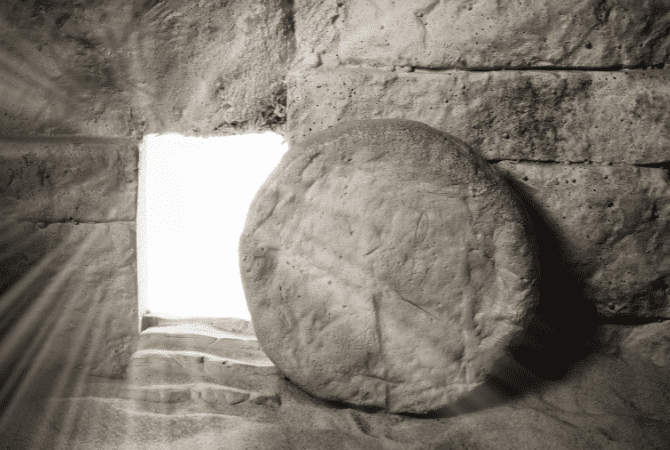
Easter, the cornerstone of the Christian faith, holds a profound significance for believers worldwide. Beyond its traditional observance, Easter offers a timeless message of hope, renewal, and redemption—a message that resonates deeply with every generation. In an era marked by uncertainty and rapid change, the timeless truths of Easter provide a steadfast anchor for young hearts seeking meaning and purpose.
In today’s fast-paced world, where digital distractions abound and societal norms constantly evolve, people often grapple with questions of identity, belonging, and purpose. Easter, with its celebration of Christ being raised from the dead, offers a totally cool story of how things change and get fresh again, a reminder of what really took place in Jerusalem that speaks directly to the challenges and aspirations of the current generation.
The Promise of a fresh start:
At the heart of Easter lies the promise of a fresh start, a promise fulfilled through the sacrificial love of Jesus Christ. As the Apostle Paul writes in Romans 5:8 (ESV), “but God shows his love for us in that while we were still sinners, Christ died for us.” The crucifixion of Jesus, foretold in the scriptures, serves as the ultimate expression of God’s boundless mercy and grace, offering you the gift of reconciliation and forgiveness. Easter’s message offers the promise of a fresh start and a renewed sense of purpose.
Hope Amidst Uncertainty:
In a world plagued by uncertainty and unrest, Easter offers a signal of hope. The resurrection of Jesus Christ reminds you that even in the darkest of times, there is light and life beyond the shadows. As you navigate the difficulties of modern life, the promise of Easter serves as a source of comfort and assurance, guiding you through moments of doubt and despair.
1 Peter 1:3 (ESV) : “Praise be to the God and Father of our Lord Jesus Christ! In his great mercy he has given us new birth into a living hope through the resurrection of Jesus Christ from the dead,”
The Promise of Eternal Life:
Easter holds forth the promise of eternal life, a hope that surpasses the boundaries of time and space. Jesus declares in John 11:25-26 (ESV), “Jesus said to her, “I am the resurrection and the life. Whoever believes in me, though he die, yet shall he live, and everyone who lives and believes in me shall never die. Do you believe this?. Through His resurrection, Jesus offers the assurance of life beyond the grave, inviting you into a relationship marked by joy, peace, and everlasting fellowship with God.
The Call to Renewal:
Easter extends a timeless invitation to renewal, a call to embrace the life-changing power of Christ’s resurrection in your own life. As Paul writes in 2 Corinthians 5:17 (ESV), “Therefore, if anyone is in Christ, he is a new creation. The old has passed away; behold, the new has come.” Just as Christ emerged from the tomb in glorious resurrection, you too are invited to cast off the shackles of sin and embrace the abundant life that comes through faith in Him.
Conclusion:
As you journey through the Easter season, may you pause to reflect on the profound truths found within the Word of God. May you embrace the promise of redemption, rejoice in the triumph of resurrection, and respond to the call to renewal with a heart full of faith and gratitude. And may the timeless message of Easter continue to inspire and uplift you, bringing you even closer to the love and grace of our Risen Savior.
Day 1 – Jesus Finished It
“After he said this, he was taken up before their very eyes, and a cloud hid him from their sight.” — Acts 1:9 (NIV)
When Jesus ascended into heaven, it wasn’t just a dramatic exit , it was a powerful moment of completion. Everything He came to do from healing the sick to dying on the cross and rising again was now finished. The Ascension confirmed that He had completed His mission and was returning to take His place at the right hand of God.
But here’s what’s exciting: Jesus didn’t leave us to figure things out alone. His going up meant something new was coming, the Holy Spirit. So as we begin this Ascension Week, be encouraged: the One who overcame death didn’t just rise , He rules. He finished the work, and now He’s calling you into it.
What’s one thing you can surrender to Jesus today, knowing He’s already won?
Day 2 – He Went Up to Lift Us Up
“God raised him from the dead and seated him at his right hand in the heavenly realms.” — Ephesians 1:20 (NIV)
Jesus’ Ascension wasn’t just about leaving earth, it was about being lifted to a place of honor and authority. He is now seated at the right hand of the Father, ruling over everything. But here’s the wild part — Scripture says we’re raised with Him (Ephesians 2:6)! That means you’re not living a low-level life anymore.
Your identity isn’t based on your followers, your grades, or your mistakes. It’s based on who Jesus is and what He’s done. The Ascension tells us that Jesus is not only alive, He’s in charge. And that gives us boldness to walk in confidence, knowing our Savior is reigning, and our place with Him is secure.
Today, walk with your head held high — not in pride, but in purpose. Jesus went up so you could rise above.
Day 3 – The Mission is Ours Now
“You will receive power when the Holy Spirit comes on you; and you will be my witnesses.” — Acts 1:8 (NIV)
Before Jesus ascended, He left His final instructions — not a goodbye, but a game plan. His mission didn’t end when He left. It passed to us. We’re not just called to believe in Jesus; we’re called to represent Him.
But here’s the best part, we’re not doing it alone. Jesus promised power through the Holy Spirit. That means you’ve got divine help to speak life, love boldly, and live differently. Your school, your family, your online community — they’re all places where your life can point to Jesus.
Ask yourself today: Who in my world needs hope? And how can I be a witness?
Day 4 – Don’t Just Look Up
“Why do you stand here looking into the sky?” — Acts 1:11 (NIV)
Imagine standing there, watching Jesus rise into the sky. You’d probably be frozen too, eyes wide, heart racing. But then, two angels show up and say, “Why are you just standing here?”
Sometimes, we get so caught up in the spiritual moment — the worship, the high of youth camp, the powerful sermon, that we forget to live it out. The disciples had a mission. So do you. The Ascension isn’t just a wow moment; it’s a wake-up moment.
He’s coming back, but until then, we’ve got work to do. Don’t just look up, step out.
This week, choose action. Love someone. Forgive. Encourage. Start living like your faith matters — because it does.
Day 5 – He’s Praying for You
“Christ Jesus… is at the right hand of God and is also interceding for us.” — Romans 8:34 (NIV)
Jesus didn’t ascend to forget about you. He ascended to represent you. Right now, Jesus is sitting next to the Father — and guess what He’s doing? Praying for you.
He knows your struggles. He hears your silent prayers. He sees what you’re not saying out loud. And He’s talking to the Father on your behalf. You’re not alone in your battles — heaven is backing you up.
When life feels heavy, remember this: Jesus is interceding. You’re seen, known, and supported from above.
Day 6 – We’re Waiting for Power
“Stay in the city until you have been clothed with power from on high.” — Luke 24:49 (NIV)
The disciples wanted to go, but Jesus told them to wait. Why? Because what was coming next needed more than good intentions — it needed power.
Sometimes we want to rush ahead with our own plans. But Jesus teaches us that there’s strength in waiting. In that waiting, He prepares us, shapes us, and fills us. And then, when the time is right, He launches us with power we never knew we had.
If you’re in a season of pause right now, don’t panic. God is preparing to pour something out. Get ready.
Day 7 – He’s Coming Back
“This same Jesus… will come back in the same way you have seen him go into heaven.” — Acts 1:11 (NIV)
The Ascension reminds us that Jesus went up, but the story isn’t over. One day, He’s coming back — not as a suffering servant, but as a victorious King. That truth should shift the way we live today.
Knowing He’s coming again means we live with hope, not fear. We treat others with love, not hate. We don’t waste our time, we make it count. He’s coming back, and we want to be found ready.
Let this week stir your heart with hope. Jesus is not done with the world. And He’s not done with you.
God Speaks My Language: How Faith Connects Across Every Tongue and Culture
Ever wonder if God really understands you? He does and He speaks your language. From the words you know to the heart you feel, God meets you where you are, guiding, comforting, and connecting across every culture and every tongue.
2. Peter’s faith and doubt
"Take heart; it is I. Do not be afraid." And Peter answered him, "Lord, if it is you, command me to come to you on the water." He said, "Come." So Peter got out of the boat and walked on the water and came to Jesus.
Samson's Birth and Vow as a Nazirite
Therefore be careful and drink no wine or strong drink, and eat nothing unclean, for behold, you shall conceive and bear a son. No razor shall come upon his head, for the child shall be a Nazirite to God from the womb, and he shall begin to save Israel from the hand of the Philistines."
Day 6: A Call to Holiness
Jesus later finds the man and gives him a warning, urging him to live a life free from sin. While physical healing is important, Jesus points to the need for spiritual healing and holiness, emphasizing that the health of the soul matters just as much as the body.
HOW TO STUDY THE BIBLE
Perhaps you’ve selected a Bible and started reading it. Maybe you’re even setting aside regular times to reflect or pray. You’ve gotten a taste of what’s inside, and a desire for God’s words is growing in you as you recognize the nourishment God offers in these encounters. What comes next? How do you go from a surface reading to unlocking and taking in more and more of what God has for you? Whether you are reading the Bible for devotion, prayer, or academic learning, it is helpful to know how to study a Scripture passage. Studying helps us understand Scripture in its context, setting the stage for us to hear how God continues to speak to us through it today. Find a comfy chair, pour a cup of coffee, and join me in studying the parable of the lost coin in Luke 15:8-10. Download this worksheet to try these ten steps on a passage of your choosing—alongside my example or anytime after. 1. Pray Begin your time with prayer. Take a moment to clear your mind and focus your attention. Ask God to be with you as you study and reflect on this passage: “Dear God, meet me as I read your Word. Give me eyes to see, ears to hear, and a heart to understand. Amen.” 2. Read the passage Get familiar with your passage by reading it several times. Try reading it in different translations: at least one that is more word-for-word (like NRSV, NKJV, or NASB) as...
Easter: The awesome story of how we're saved and brought back to life
Easter, the cornerstone of the Christian faith, holds a profound significance for believers worldwide. Beyond its traditional observance, Easter offers a timeless message of hope, renewal, and redemption—a message that resonates deeply with every generation. In an era marked by uncertainty and rapid change, the timeless truths of Easter provide a steadfast anchor for young hearts seeking meaning and purpose. In today’s fast-paced world, where digital distractions abound and societal norms constantly evolve, people often grapple with questions of identity, belonging, and purpose. Easter, with its celebration of Christ being raised from the dead, offers a totally cool story of how things change and get fresh again, a reminder of what really took place in Jerusalem that speaks directly to the challenges and aspirations of the current generation. The Promise of a fresh start: At the heart of Easter lies the promise of a fresh start, a promise fulfilled through the sacrificial love of Jesus Christ. As the Apostle Paul writes in Romans 5:8 (ESV), “but God shows his love for us in that while we were still sinners, Christ died for us.” The crucifixion of Jesus, foretold in the scriptures, serves as the ultimate expression of God’s boundless mercy and grace, offering you the gift of reconciliation and forgiveness. Easter’s message offers the promise of a fresh start and a renewed sense of purpose. Hope Amidst Uncertainty: In a world plagued by uncertainty and unrest, Easter offers a signal of hope. The resurrection of Jesus Christ reminds you that...
Ever wonder if God really understands you? He does and He speaks your language. From the words you know to the heart you feel, God meets you where you are, guiding, comforting, and connecting across every culture and every tongue.
"Take heart; it is I. Do not be afraid." And Peter answered him, "Lord, if it is you, command me to come to you on the water." He said, "Come." So Peter got out of the boat and walked on the water and came to Jesus.
Therefore be careful and drink no wine or strong drink, and eat nothing unclean, for behold, you shall conceive and bear a son. No razor shall come upon his head, for the child shall be a Nazirite to God from the womb, and he shall begin to save Israel from the hand of the Philistines."
Jesus later finds the man and gives him a warning, urging him to live a life free from sin. While physical healing is important, Jesus points to the need for spiritual healing and holiness, emphasizing that the health of the soul matters just as much as the body.
What is Ascension week
Jesus' Ascension wasn’t just about leaving earth, it was about being lifted to a place of honor and authority. He is now seated at the right hand of the Father, ruling over everything. But here’s the wild part — Scripture says we’re raised with Him (Ephesians 2:6)! That means you’re not living a low-level life anymore.
Jesus' Ascension wasn’t just about leaving earth, it was about being lifted to a place of honor and authority. He is now seated at the right hand of the Father, ruling over everything. But here’s the wild part — Scripture says we’re raised with Him (Ephesians 2:6)! That means you’re not living a low-level life anymore.
When Being a Woman Feels Like a Disadvantage – A Biblical Perspective
Does being a woman ever feel like a disadvantage? Many women quietly struggle with feeling overlooked, underestimated, or defined by society’s expectations. Yet the Bible reveals a very different truth. Discover 7 powerful Bible verses that show the dignity, strength, and purpose God has given to women.
Marriage, Love & Respect: Your Real Questions Answered (Biblical Edition)
Got questions about marriage, love, and roles of husbands and wives? Here’s what the Bible really says about Christian marriage, respect, submission, and partnership.
Unlocking the Spiritual Essence of AFRICA:
As we journey through the spiritual essence of AFRICA, let us embrace its blessings, celebrate its diversity, and honor its heritage. For in this vast and vibrant continent, we discover echoes of God's faithfulness, reminders of our shared humanity, and glimpses of His divine purpose for all creation.
Does being a woman ever feel like a disadvantage? Many women quietly struggle with feeling overlooked, underestimated, or defined by society’s expectations. Yet the Bible reveals a very different truth. Discover 7 powerful Bible verses that show the dignity, strength, and purpose God has given to women.
Got questions about marriage, love, and roles of husbands and wives? Here’s what the Bible really says about Christian marriage, respect, submission, and partnership.
As we journey through the spiritual essence of AFRICA, let us embrace its blessings, celebrate its diversity, and honor its heritage. For in this vast and vibrant continent, we discover echoes of God's faithfulness, reminders of our shared humanity, and glimpses of His divine purpose for all creation.